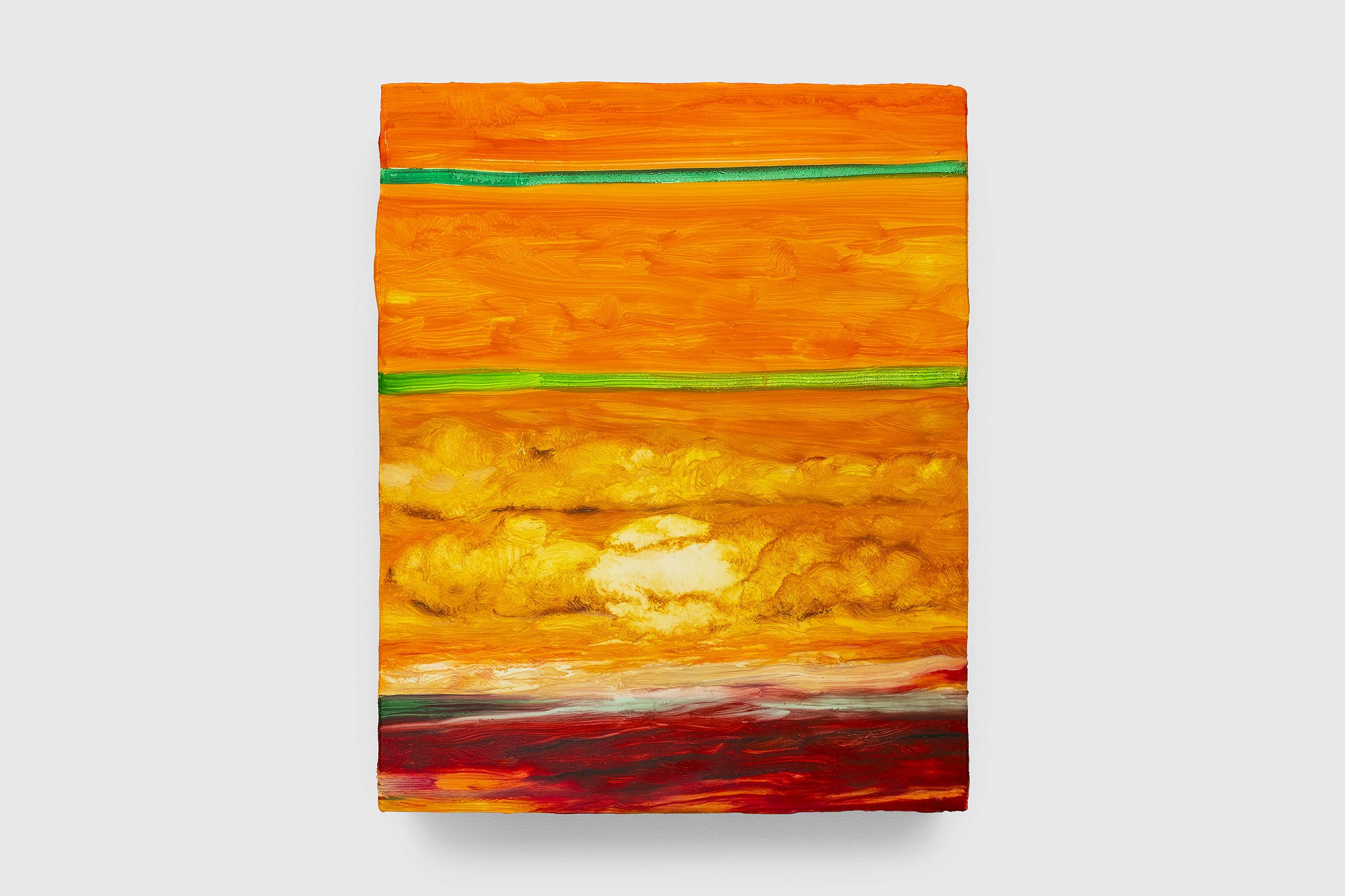
Who’s Afraid of Light (part 1 : 2025 - 2026)
Carl Gustav Jung tells us that within the human psyche there is a quest to realize oneself as a human being, to grow in consciousness and to achieve what Hindus call the "Self."
He adds that we all have this capacity to encounter the "luminous," that is, to be overwhelmed by an emotion, a feeling, that prompts us to contemplate the mystery of the world, a form of encounter with the absolute.
According to Jung, there is not only the “ego,” the personal unconscious, and the collective unconscious. There is also the “Self,” which is a kind of unifying principle of the human psyche, but which cannot be reduced to the ego or the unconscious. And so, the Self—we could say “the spirit”—is something within us that cannot necessarily be reduced to the brain and matter.
It is the Self that pushes the unconscious and the conscious to dialogue with each other, to try to grow towards a kind of finality that is completeness, to which every human being aspires, what Jung calls the process of “individuation.” Jung is very Nietzschean in his idea that there is a power within us that drives us to fulfill ourselves, with a kind of artistic dimension that pushes us to be creative and allows us to realize ourselves in a unique way.
Individualism is when an individual, driven by their ego, lives in an individualistic way and does not care about others.
On the other hand, with individuation, the individual becomes fully themselves, beyond all needs for social recognition and all the personal injunctions they received in childhood (“Be this, be that!”). Having become fully themselves, individuals will be much better connected to others and will therefore be much more loving and altruistic.
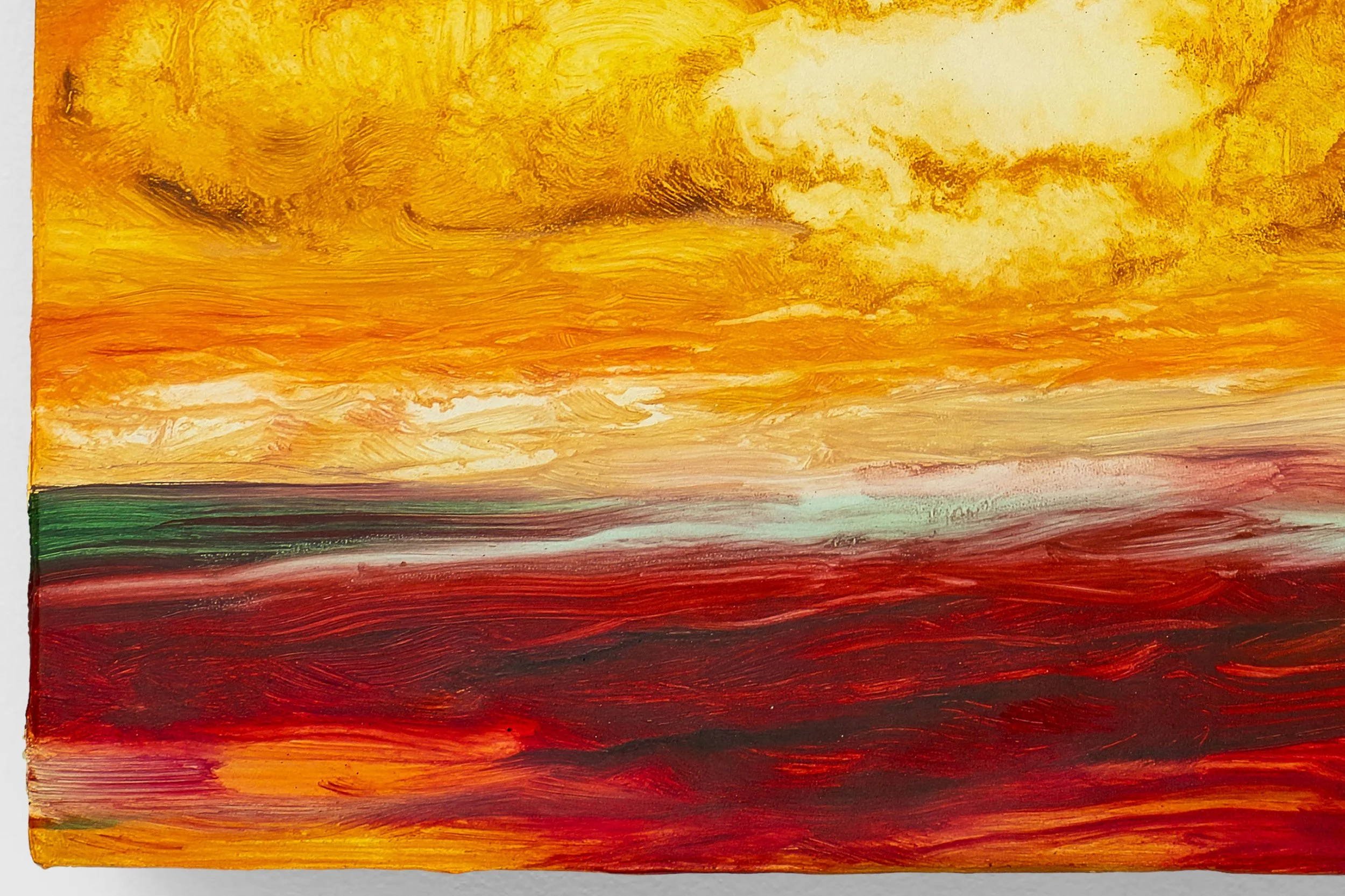
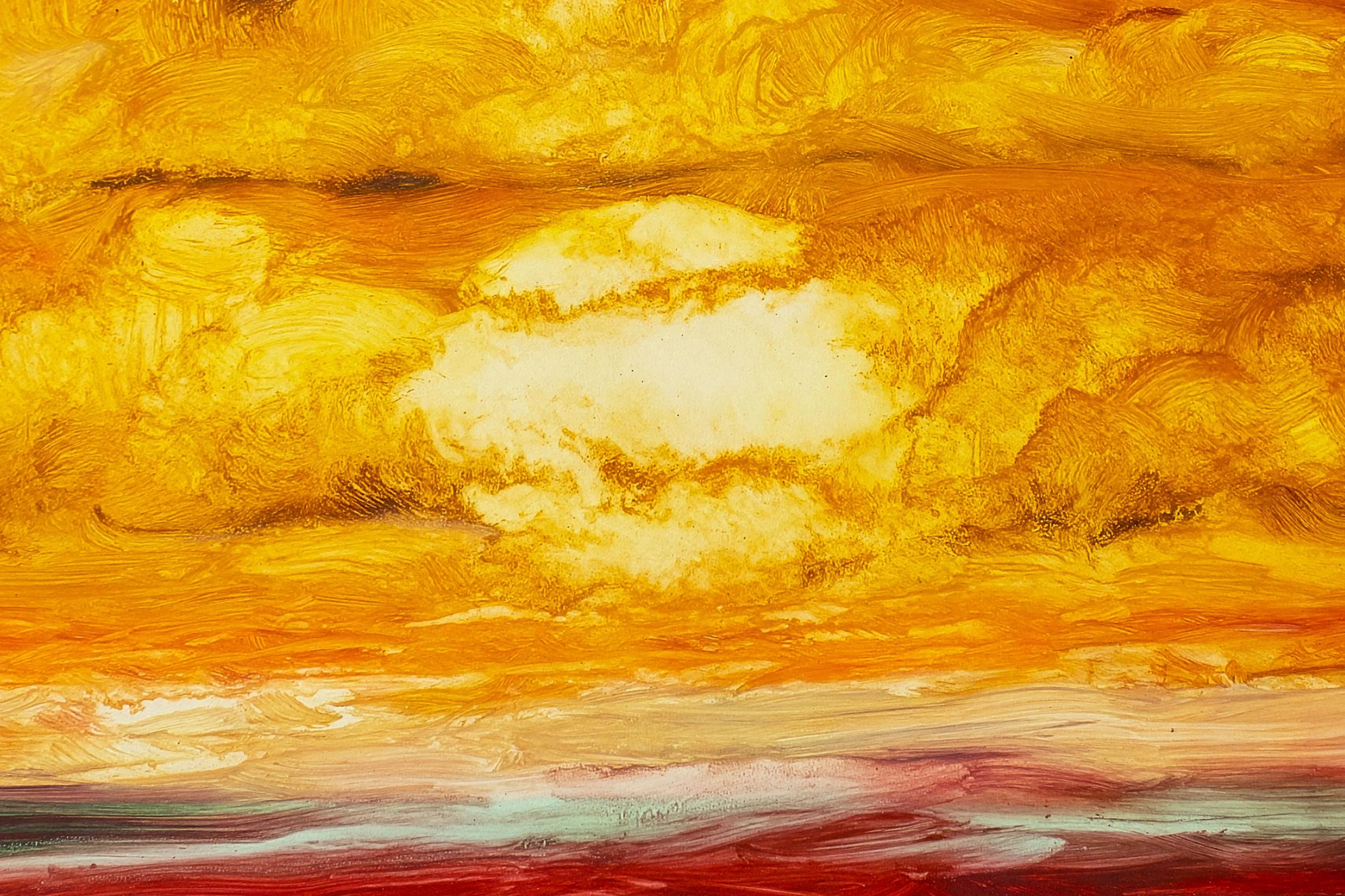
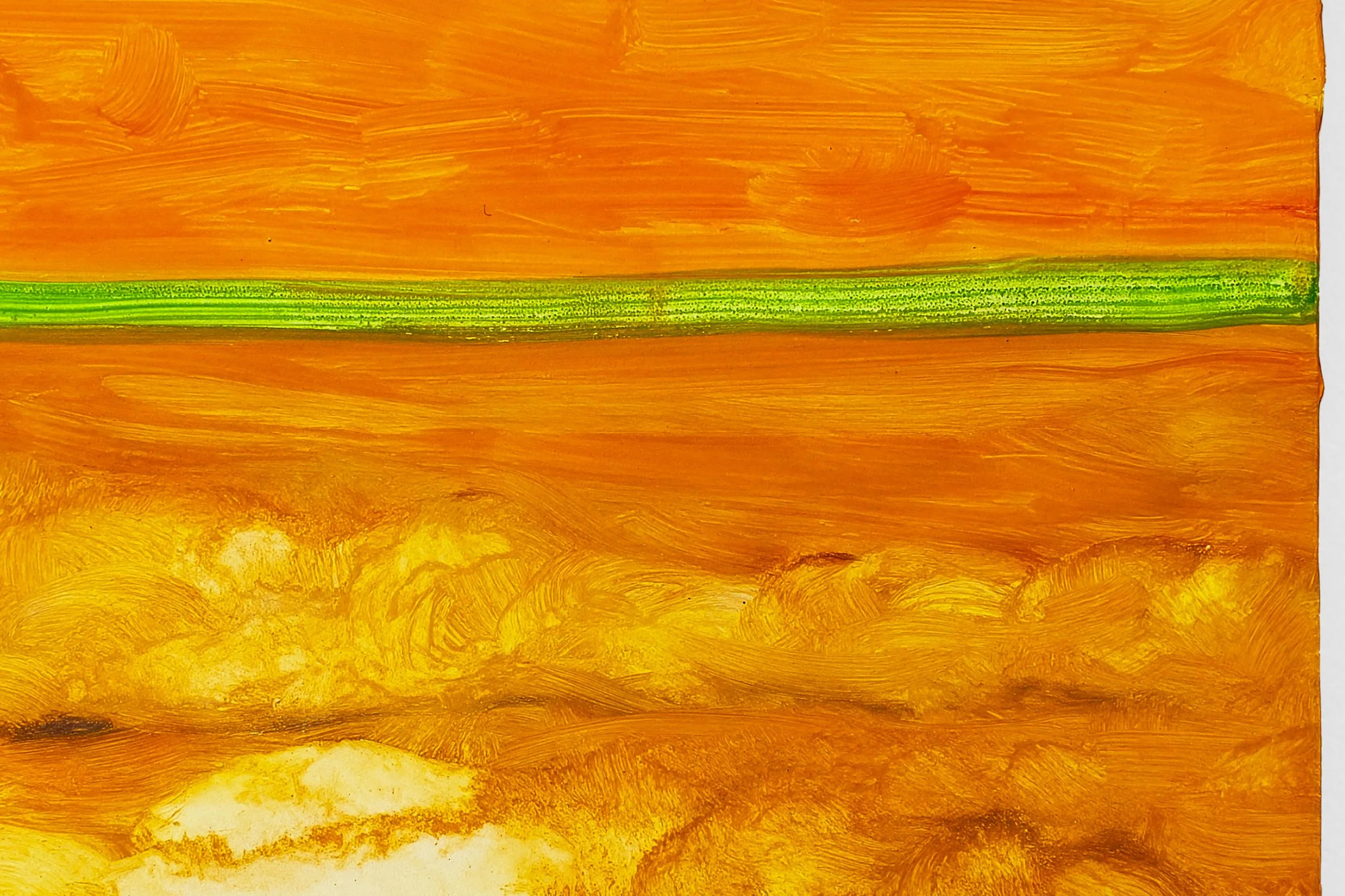
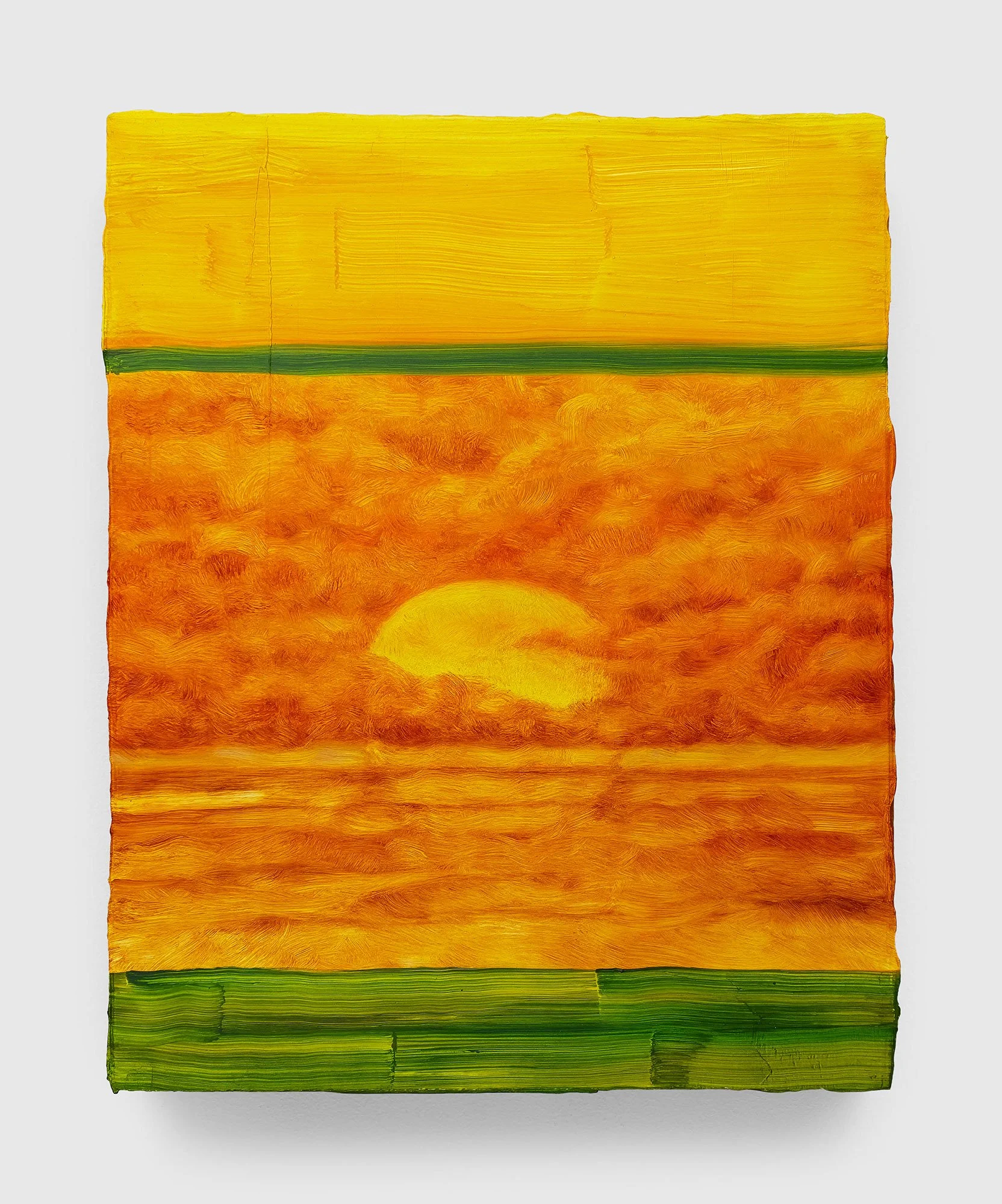
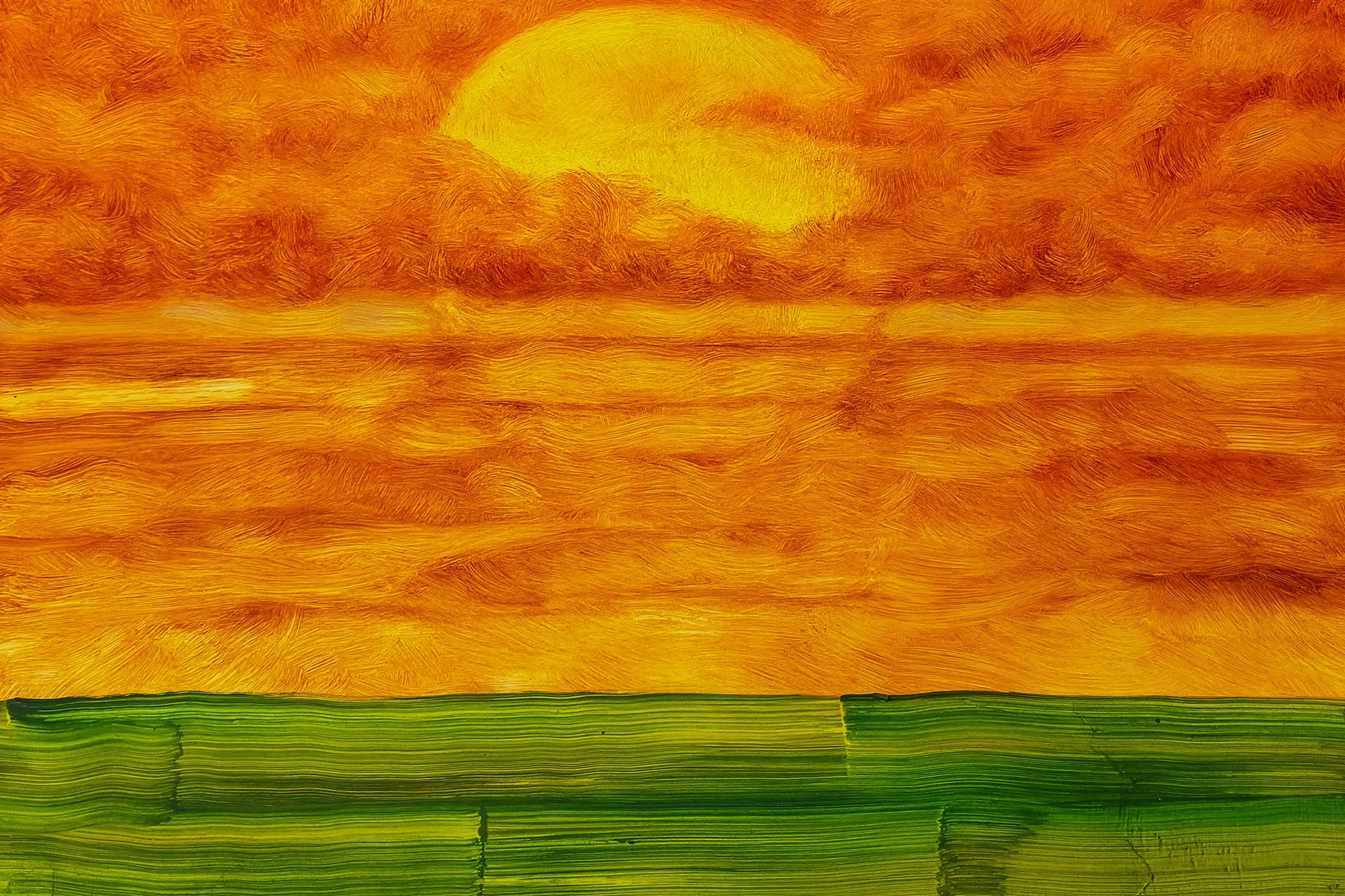
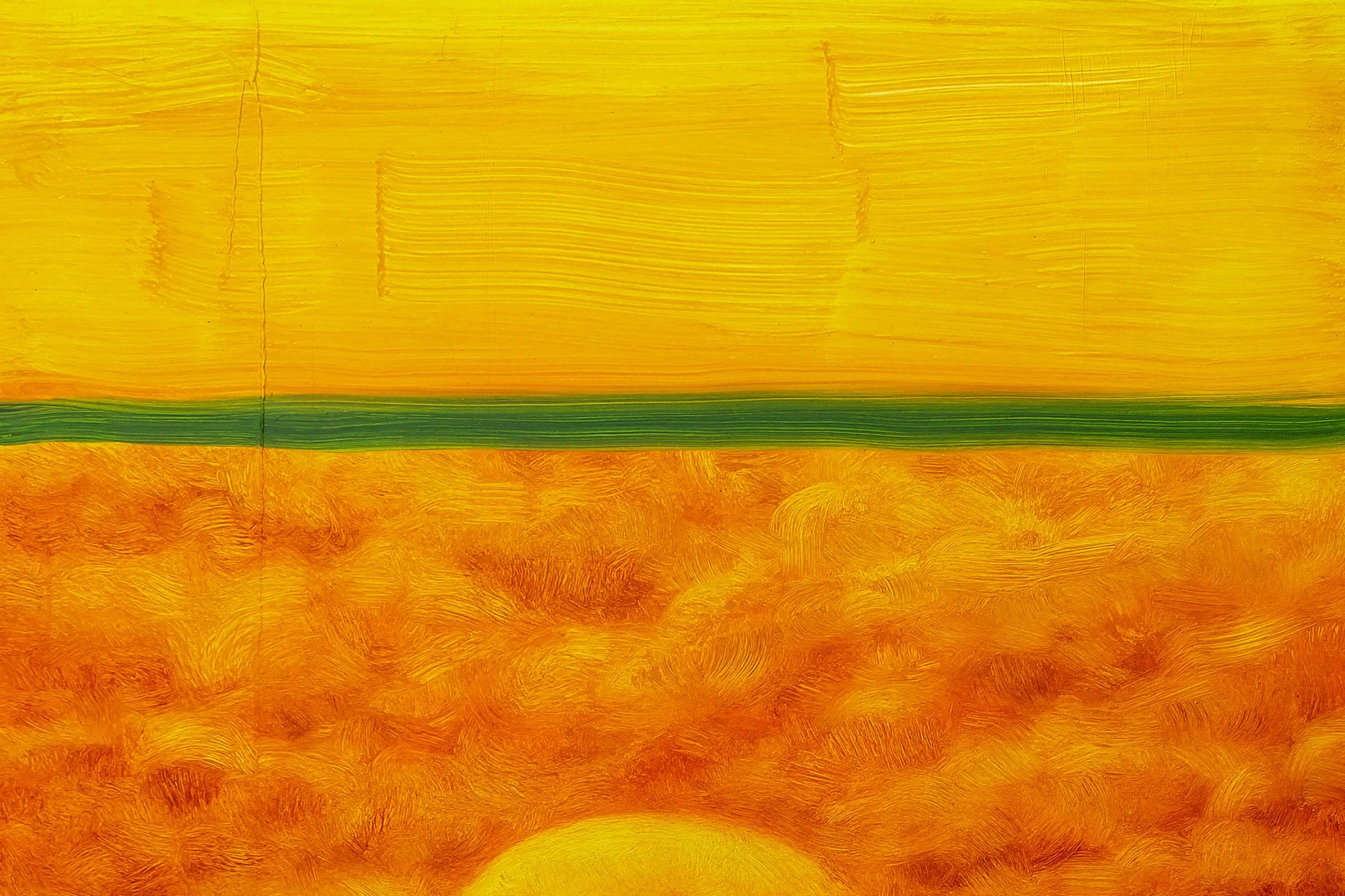
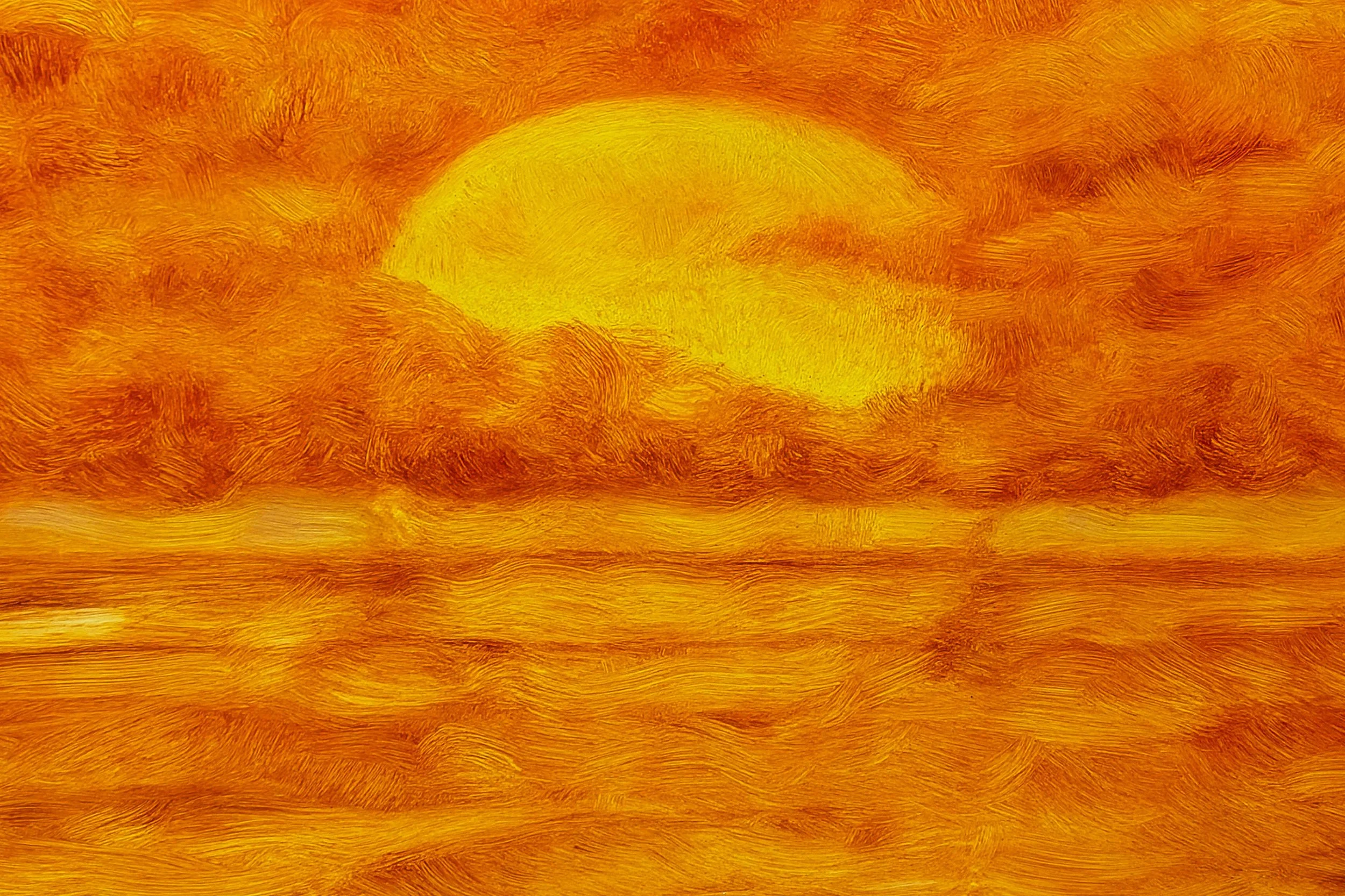
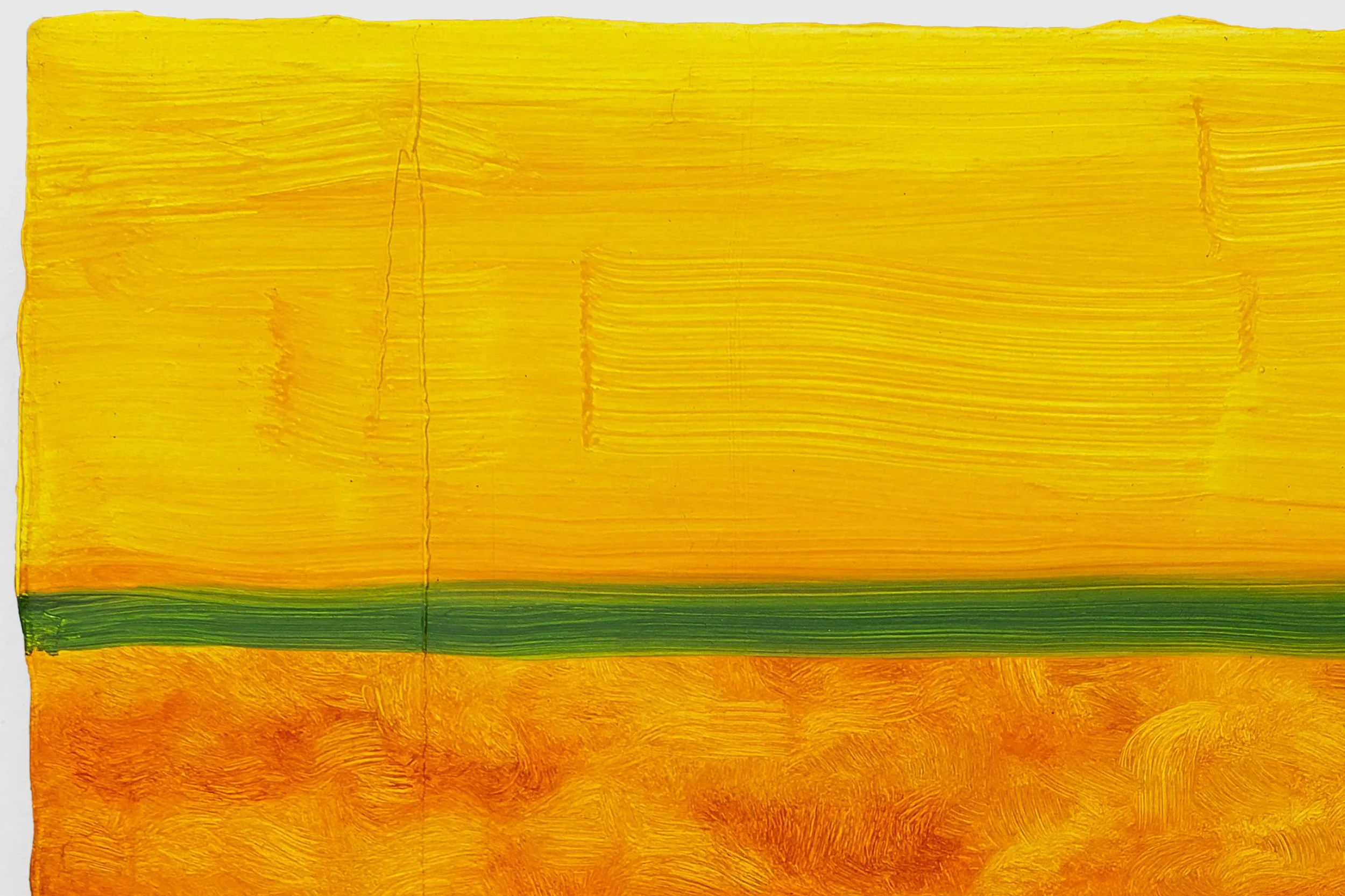
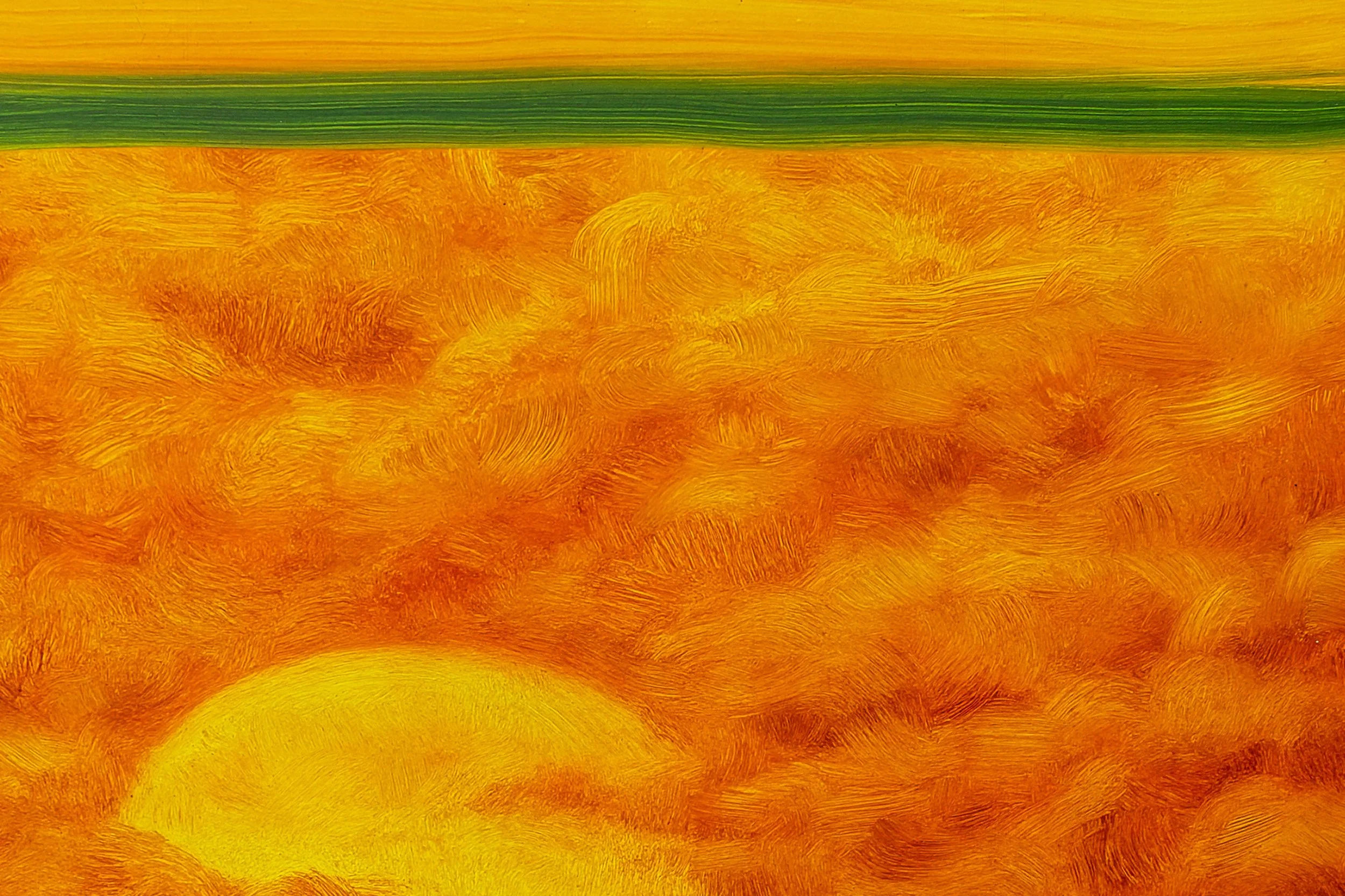
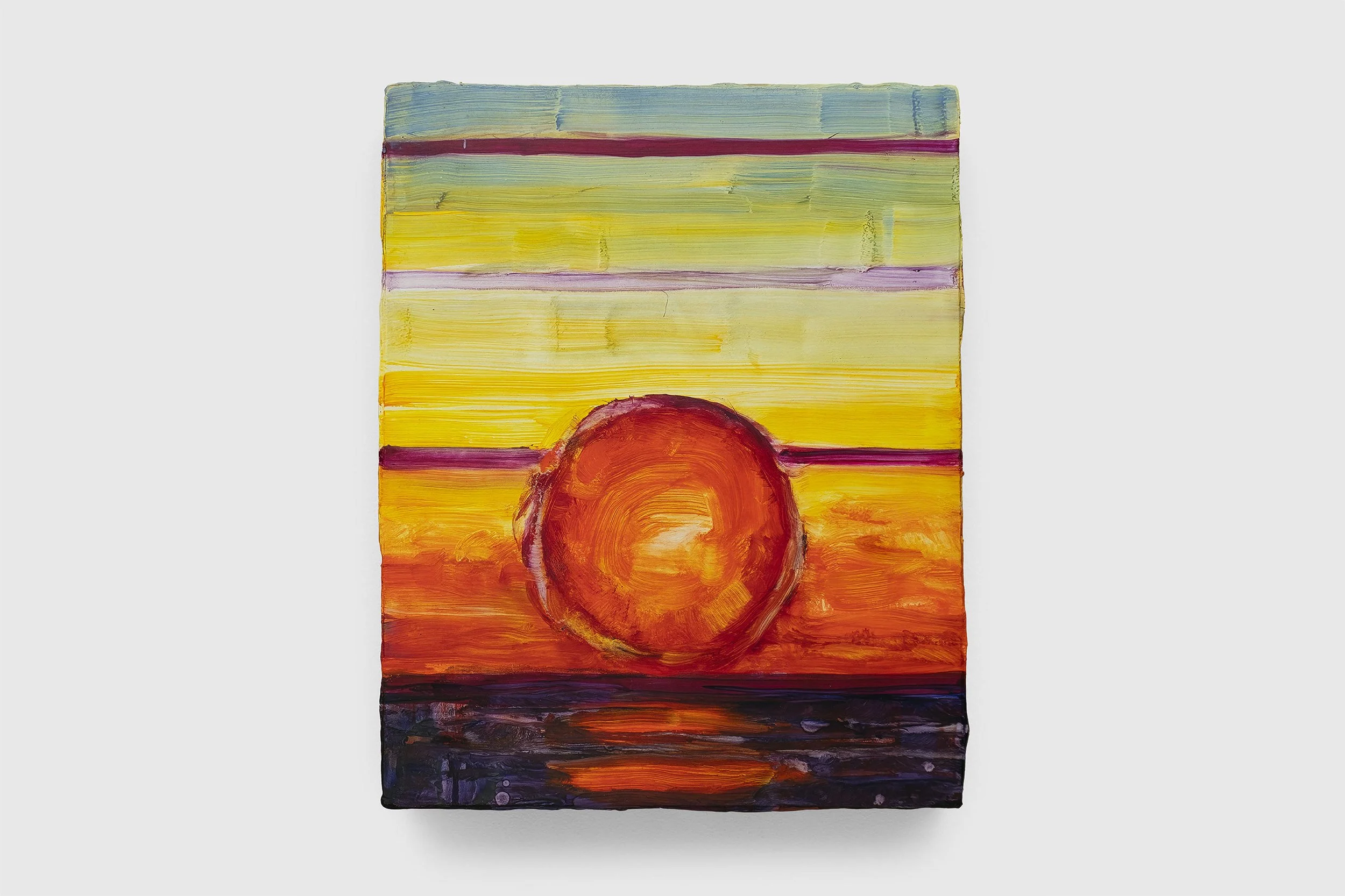
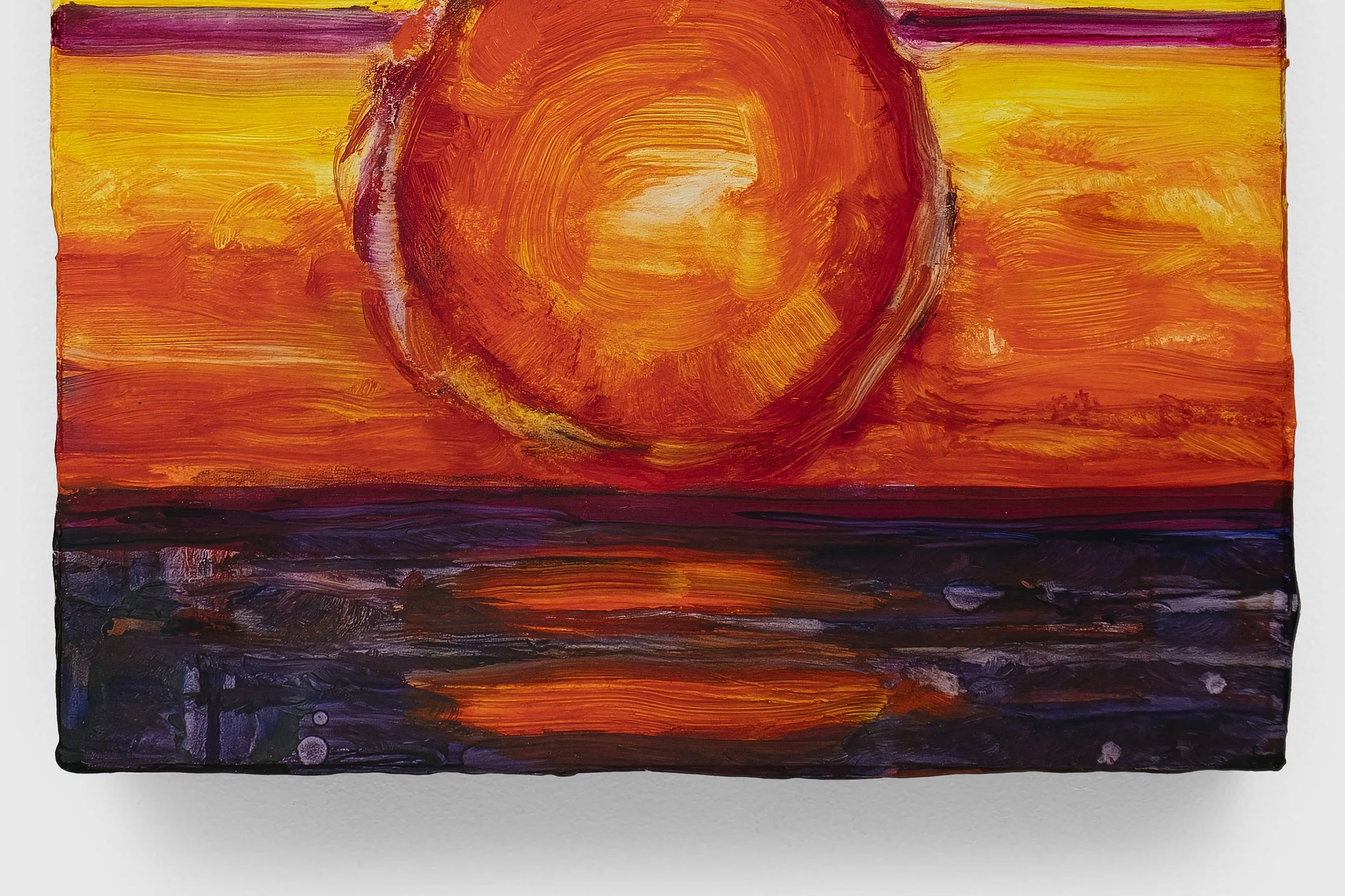
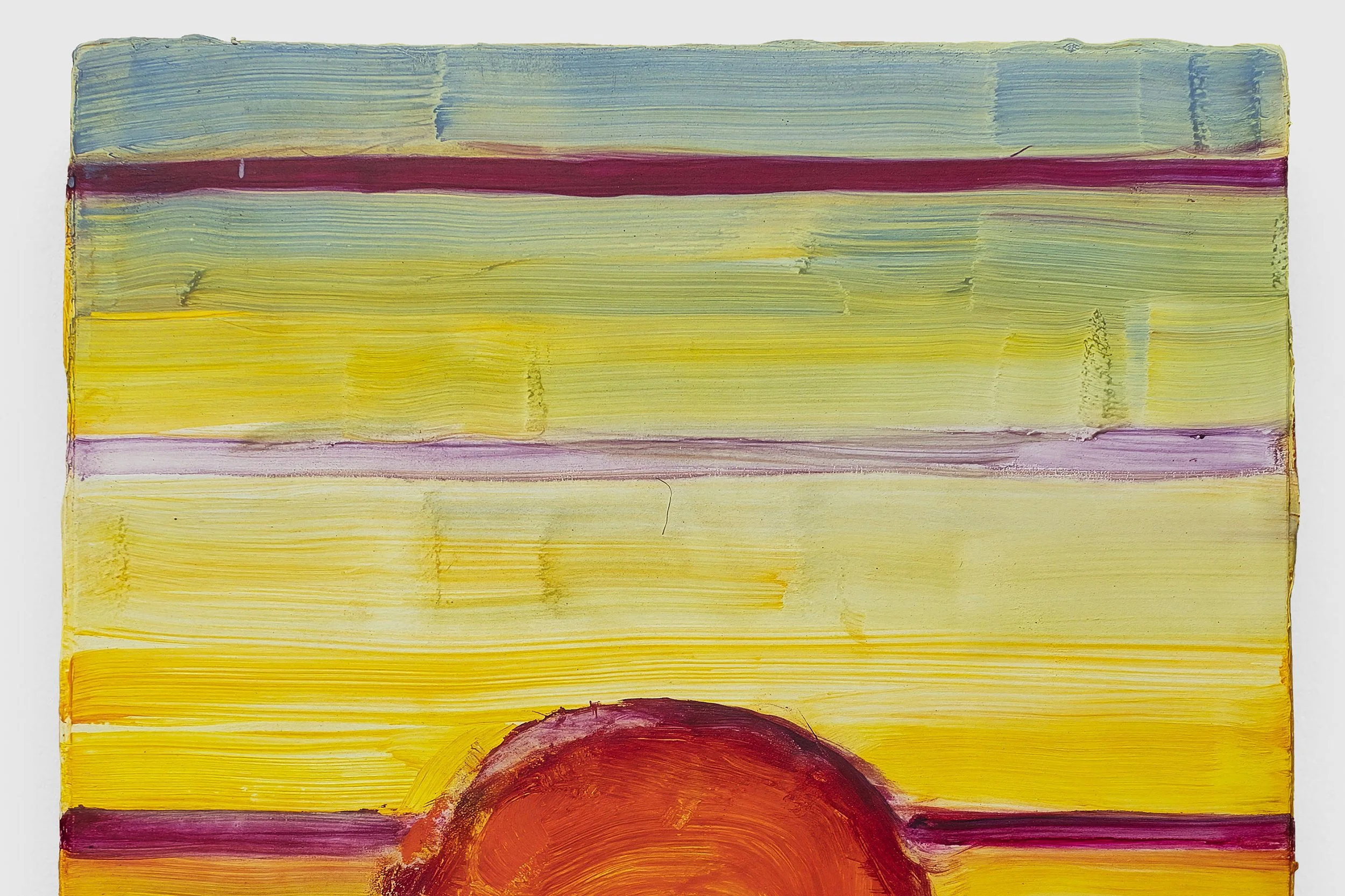
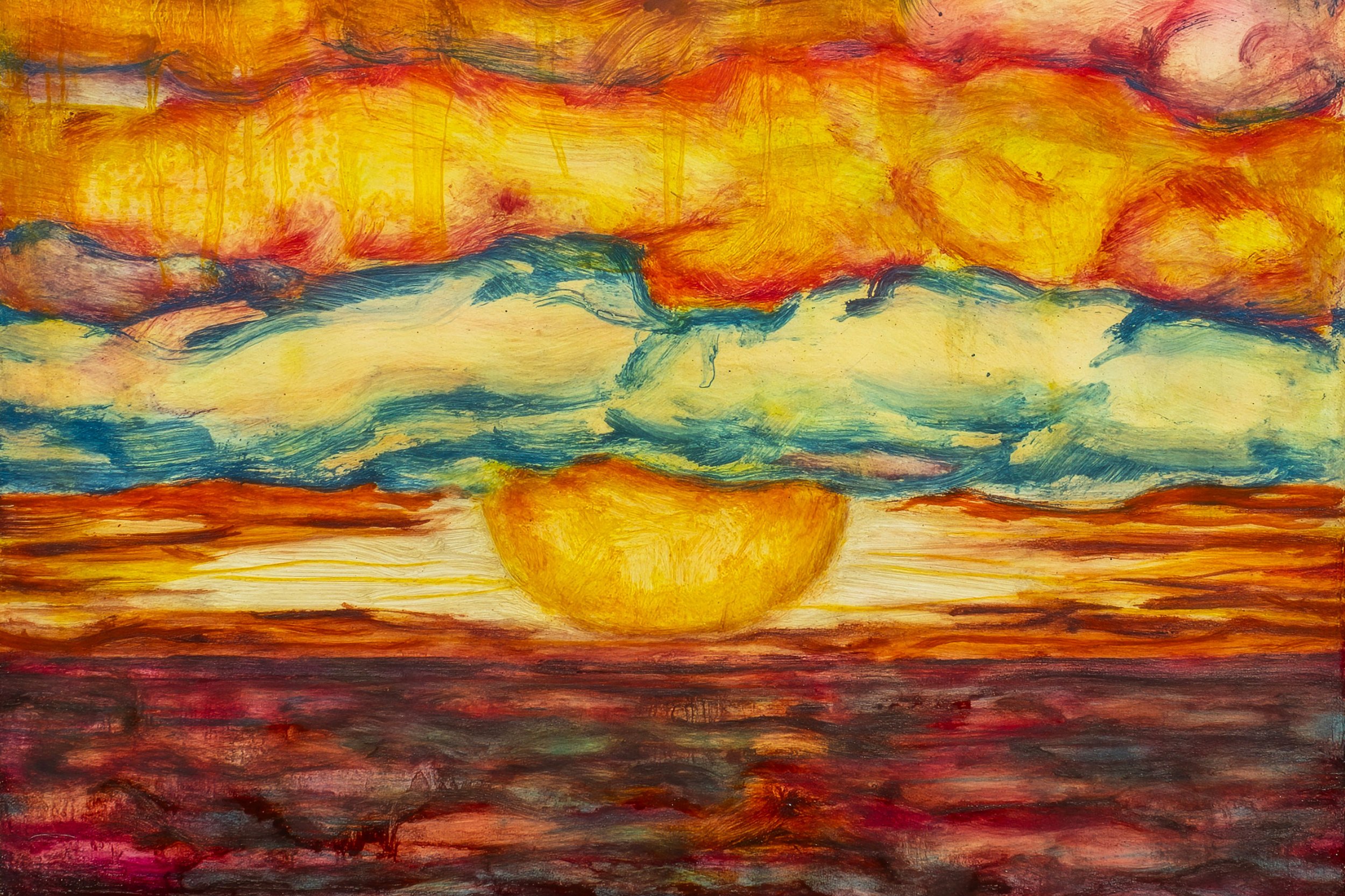
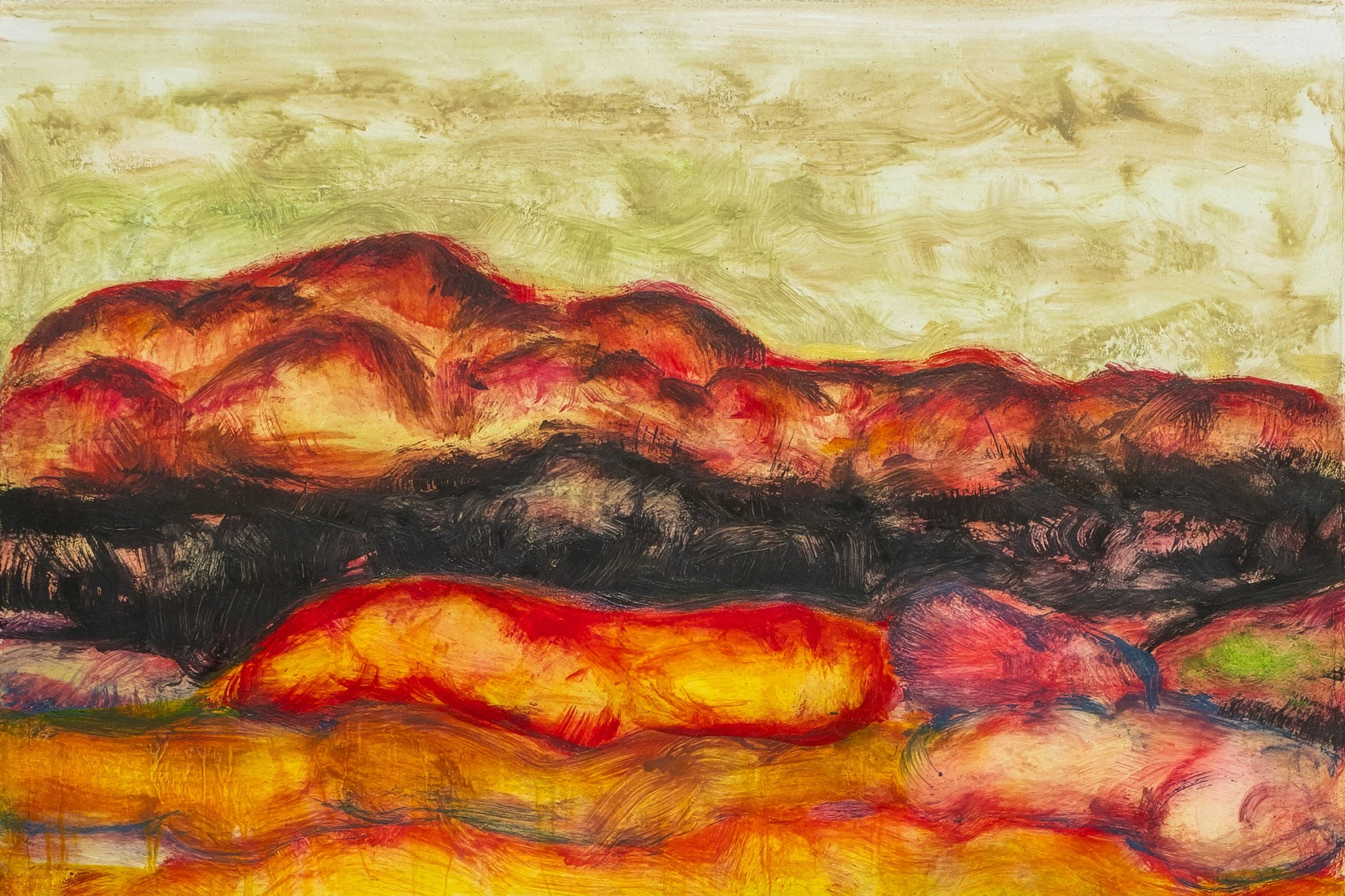
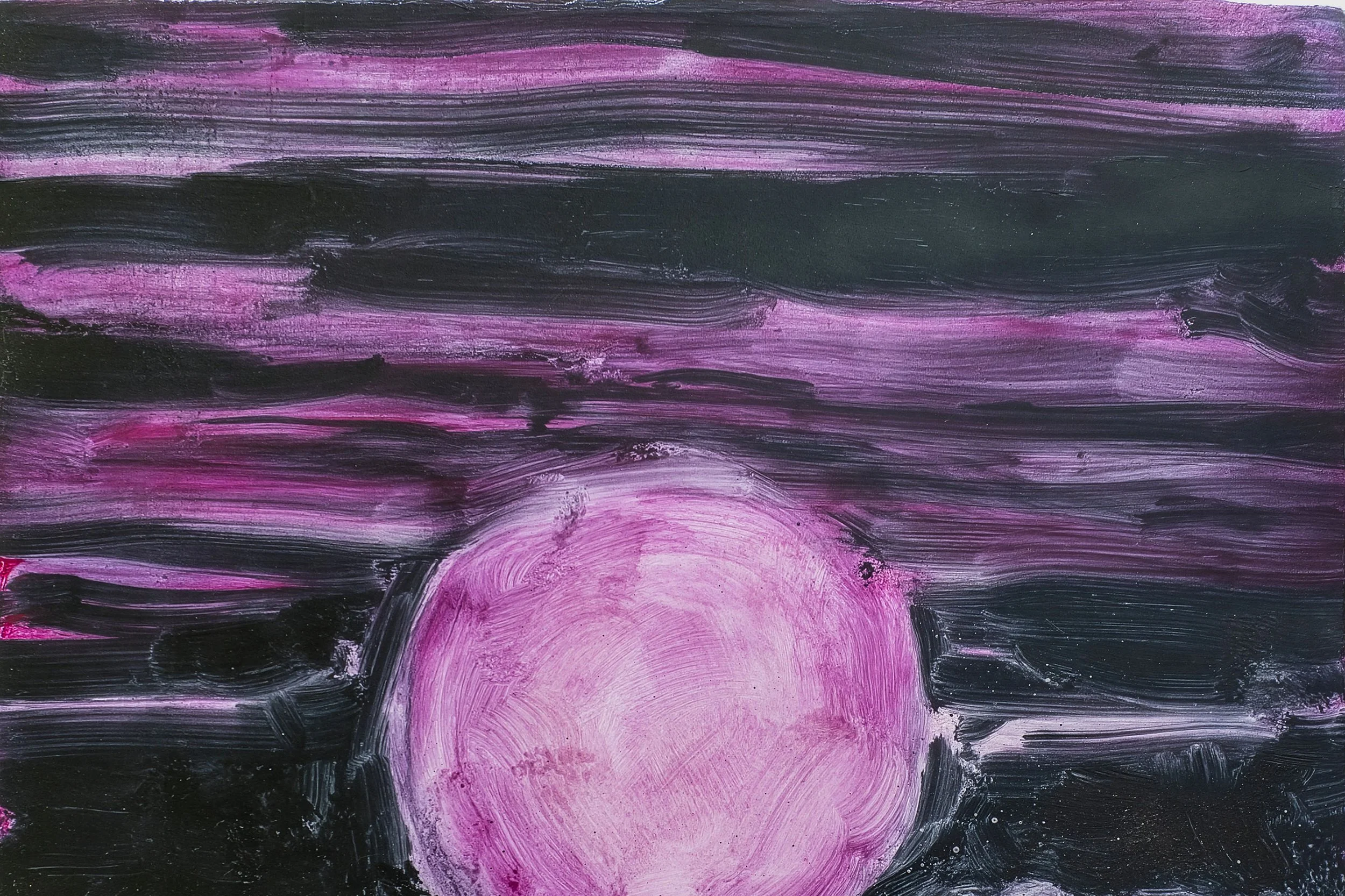
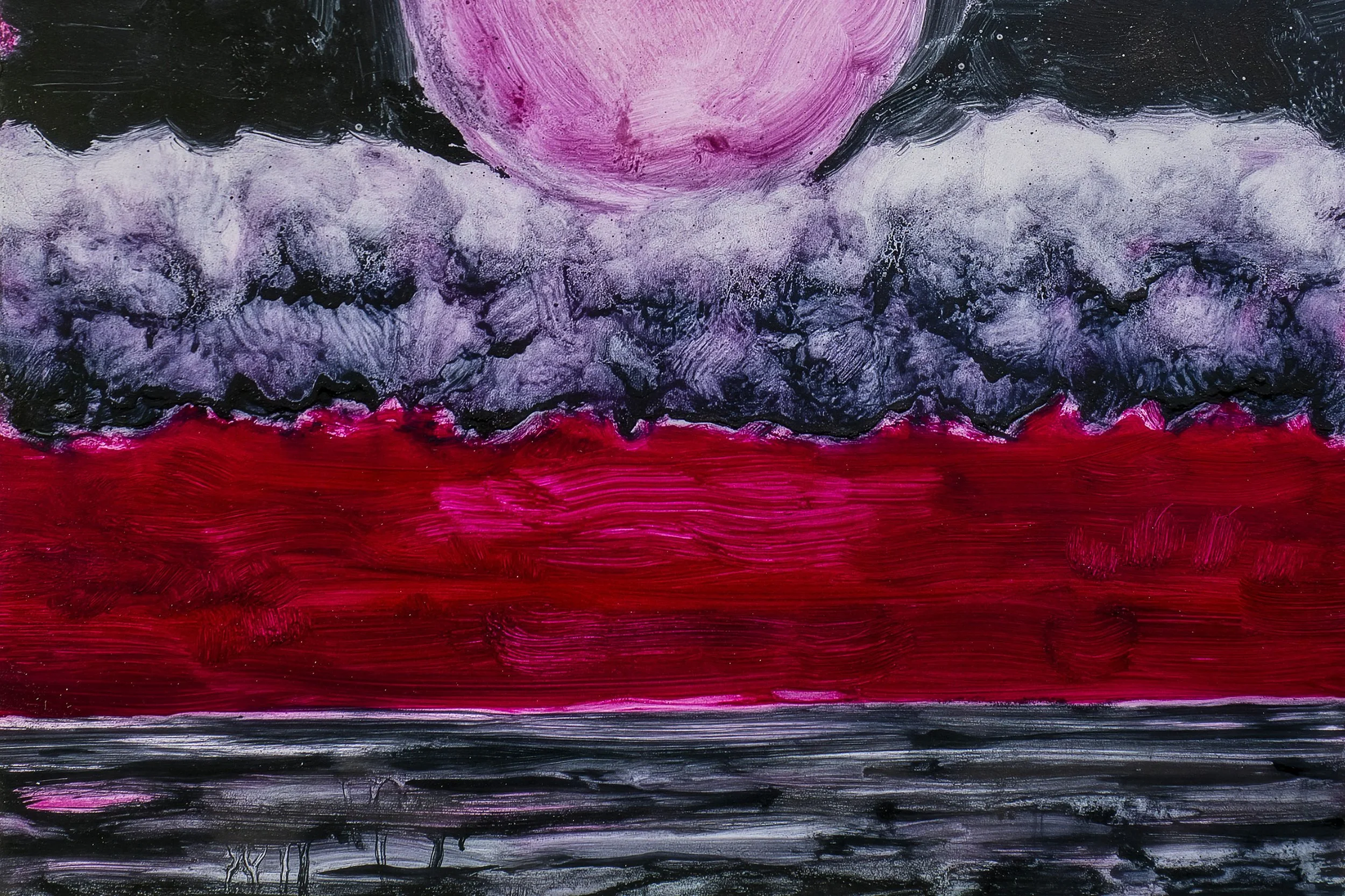
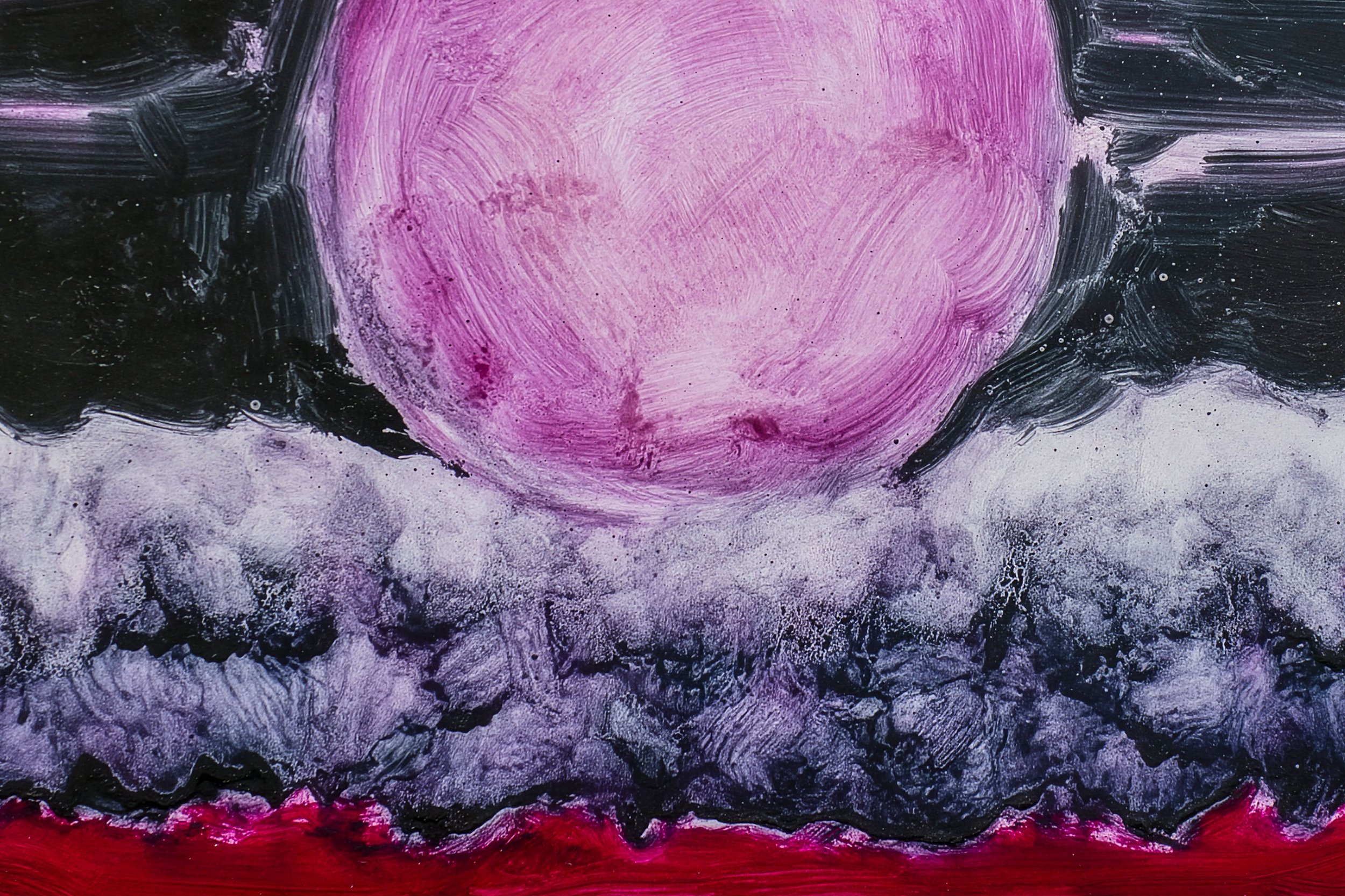
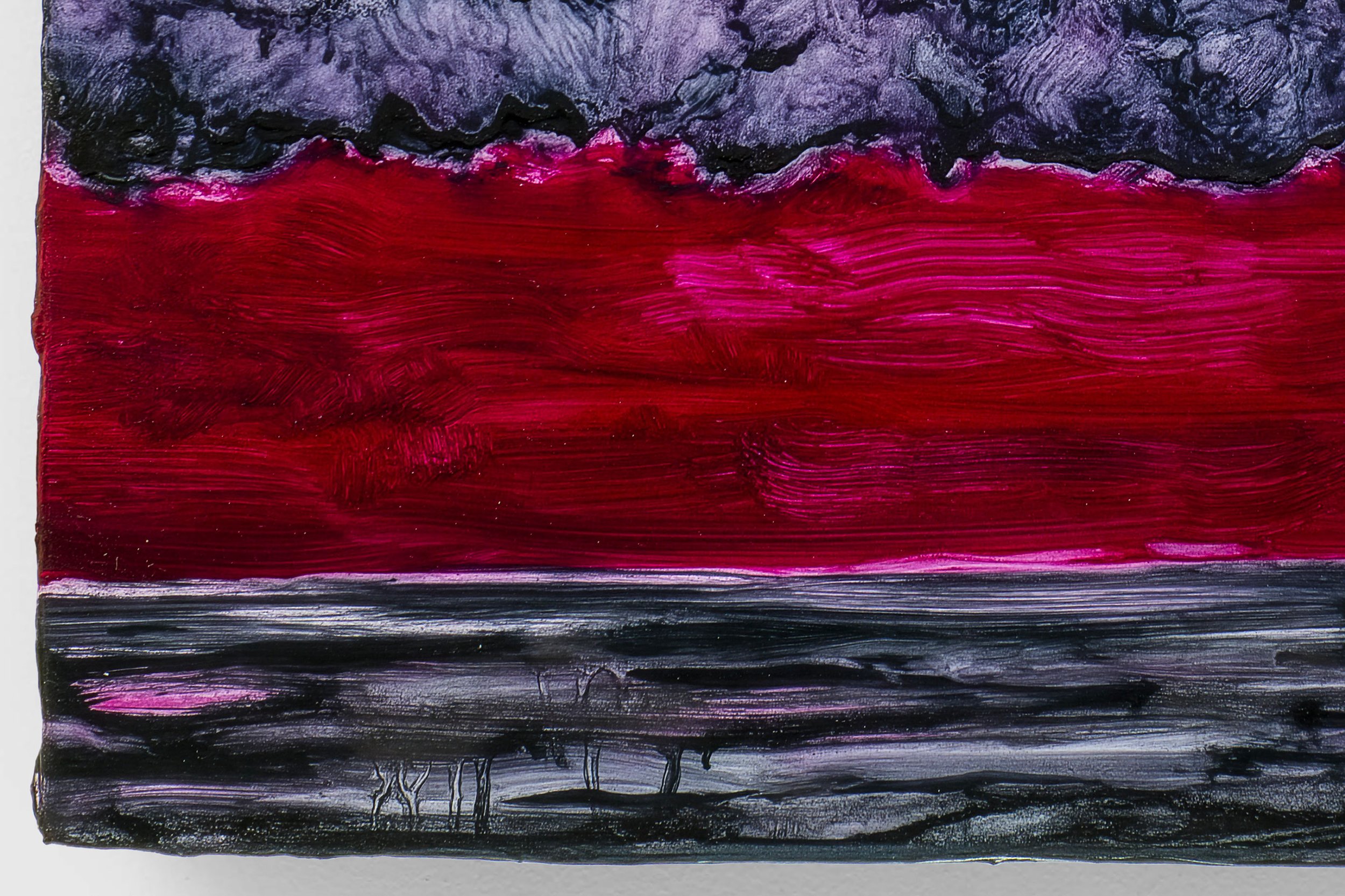
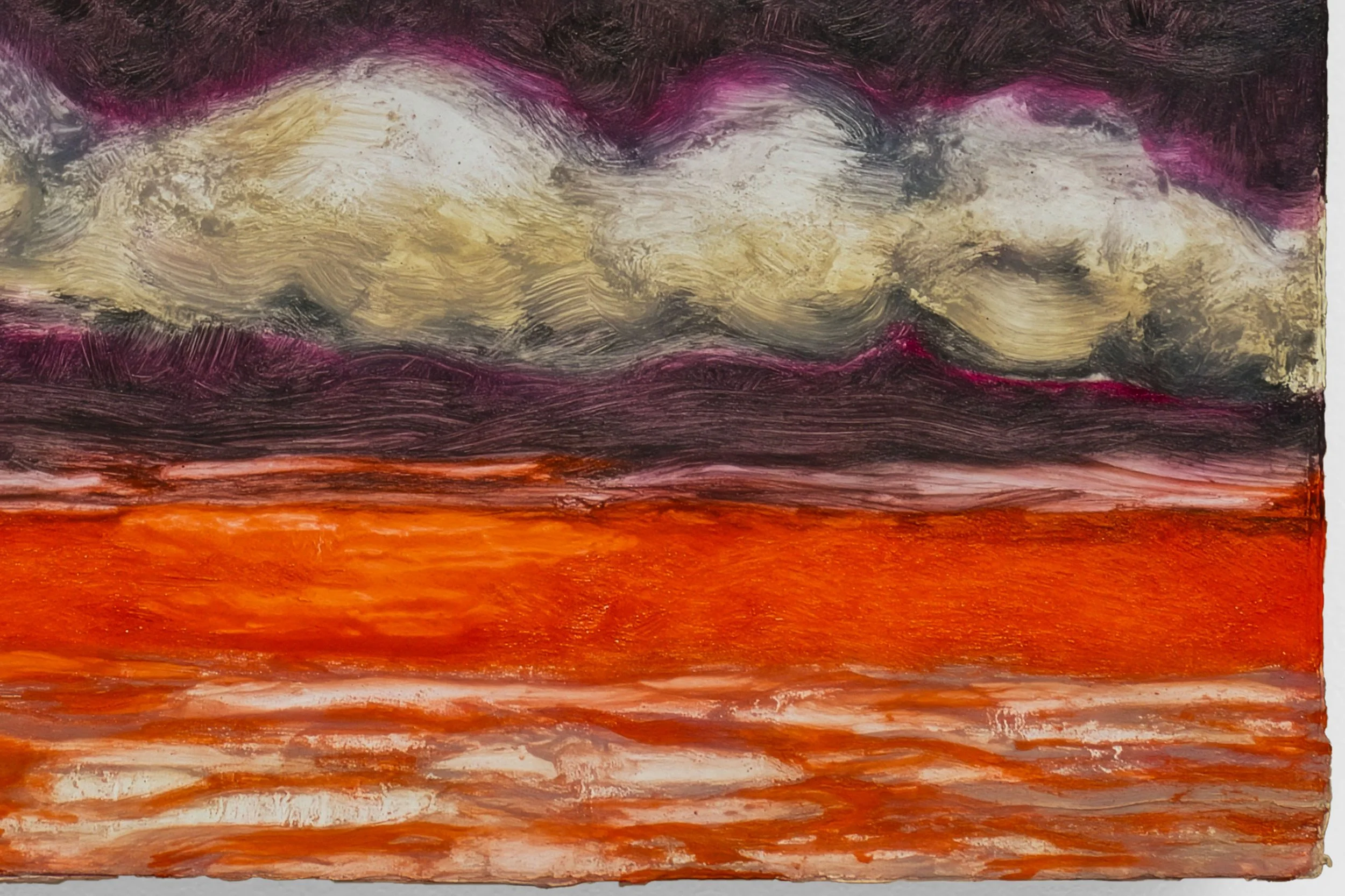
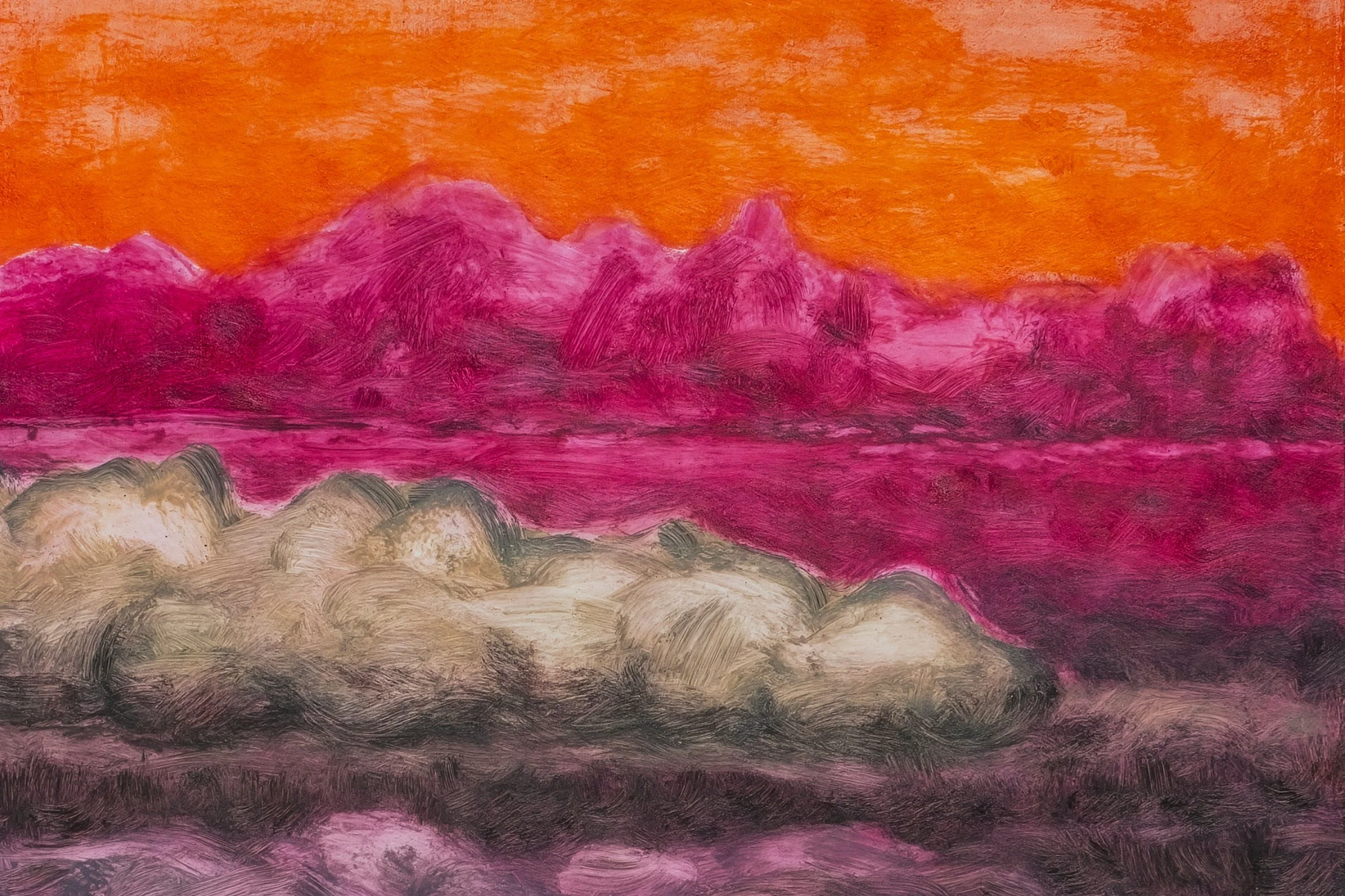
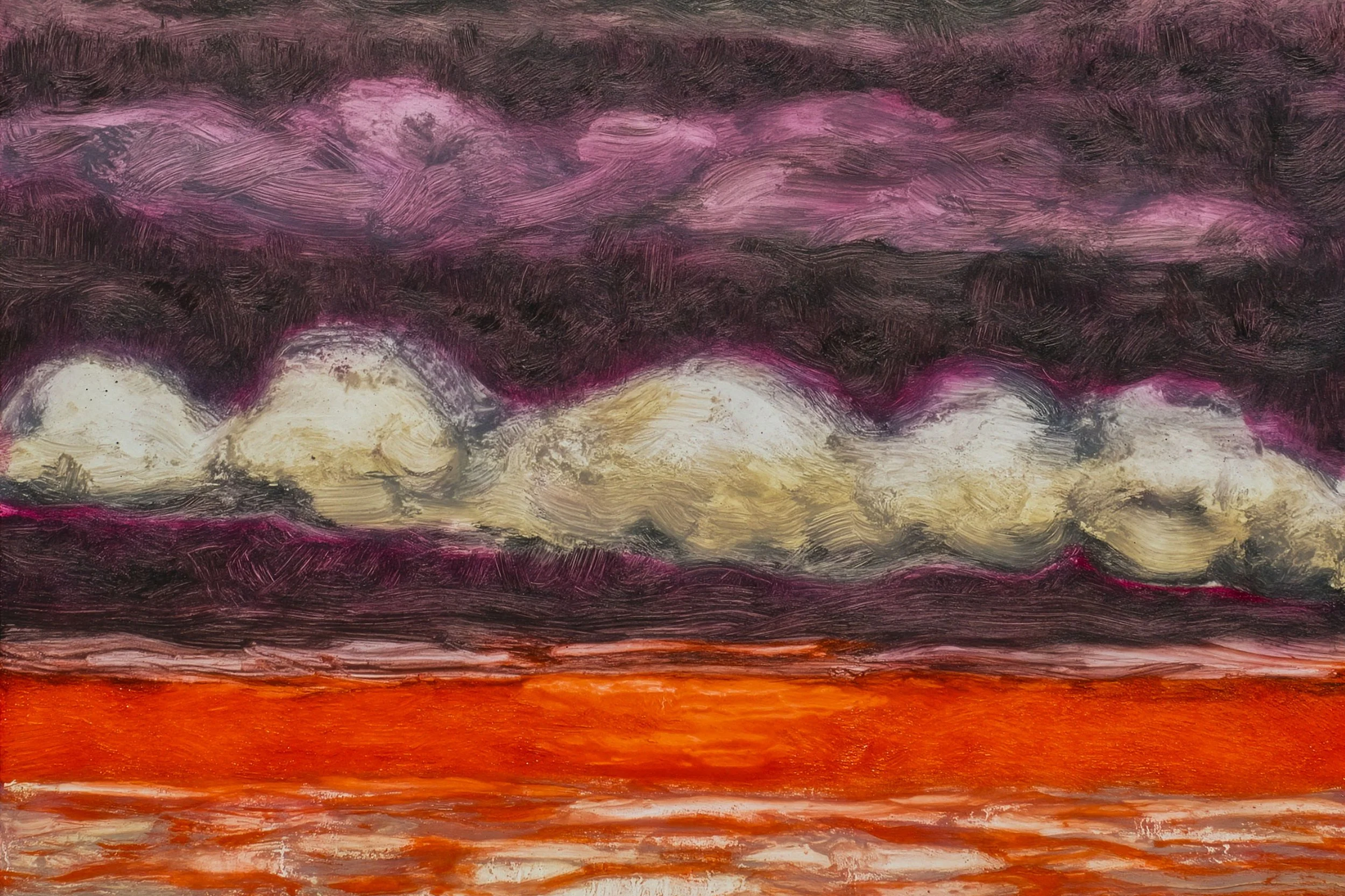
My series Who's Afraid of Light deals with this potential to encounter the “light” that we all have within us. This series is an attempt to contemplate the mystery of the world, to encounter the absolute.
- Stéphane Ducret
-
« Ce n'est pas en regardant la lumière qu'on devient lumineux, mais en plongeant dans son obscurité. »
Carl Gustav Jung
C. G. Jung nous dit qu’il y a dans la psyché humaine une quête de se réaliser en tant qu’être humain, de grandir en conscience et d’accomplir ce que les hindous appellent le « Soi. »
Il ajoute que nous avons tous cette capacité de rencontrer le « lumineux », c'est-à-dire d’être boulversé par une émotion, un sentiment, qui nous pousse à contempler le mystère du monde, une forme de rencontre avec l’absolu.
Selon Jung, il n’y a pas que le « Moi », l’inconscient personnel et l’inconscient collectif. Il y aussi le « Soi », qui est une sorte de principe unificateur de la psyché humaine, mais qui n’est pas réductible au Moi, ou à l’inconscient. Et donc, le Soi - on pourrait dire « l’esprit » -, c’est quelque chose en nous qui n’est pas forcément réductible au cerveau et à la matière.
C’est lui qui va pousser l’inconscient et le conscient à dialoguer entre eux, pour essayer de grandir en vue d’une sorte de finalité qui est la complétude, à laquelle chaque être humain aspire, ce que Jung va appeler le processus « d’individuation. »
Jung est très Nietzschéen avec cette idée qu’il y a une puissance en nous qui nous pousse à nous accomplir et cela, avec une forme de dimension artistique, qui nous pousse à être créatif et qui va nous permettre de nous réaliser avec un visage singulier.
L’individualisme c’est l’individu, poussé par son moi, son égo, à vivre de manière individualiste et à ne pas se préoccuper des autres.
Par contre, avec l’individuation, l’individu devient pleinement lui-même, au-delà de tous les besoins de reconnaissance sociale, de toutes les injonctions personnelles qu’il a reçu à l’enfance (« Sois ceci, Sois cela! »). Devenu pleinement lui-même, l’individu va être beaucoup mieux relié aux autres et il va donc être beaucoup plus dans l’amour, dans l’altruisme.
Ma série Who’s Afraid of Light traite de ce potentiel de rencontrer le « lumineux » que nous avons tous. Cette série est une tentative de contempler le mystère du monde, de rencontrer l’absolu.
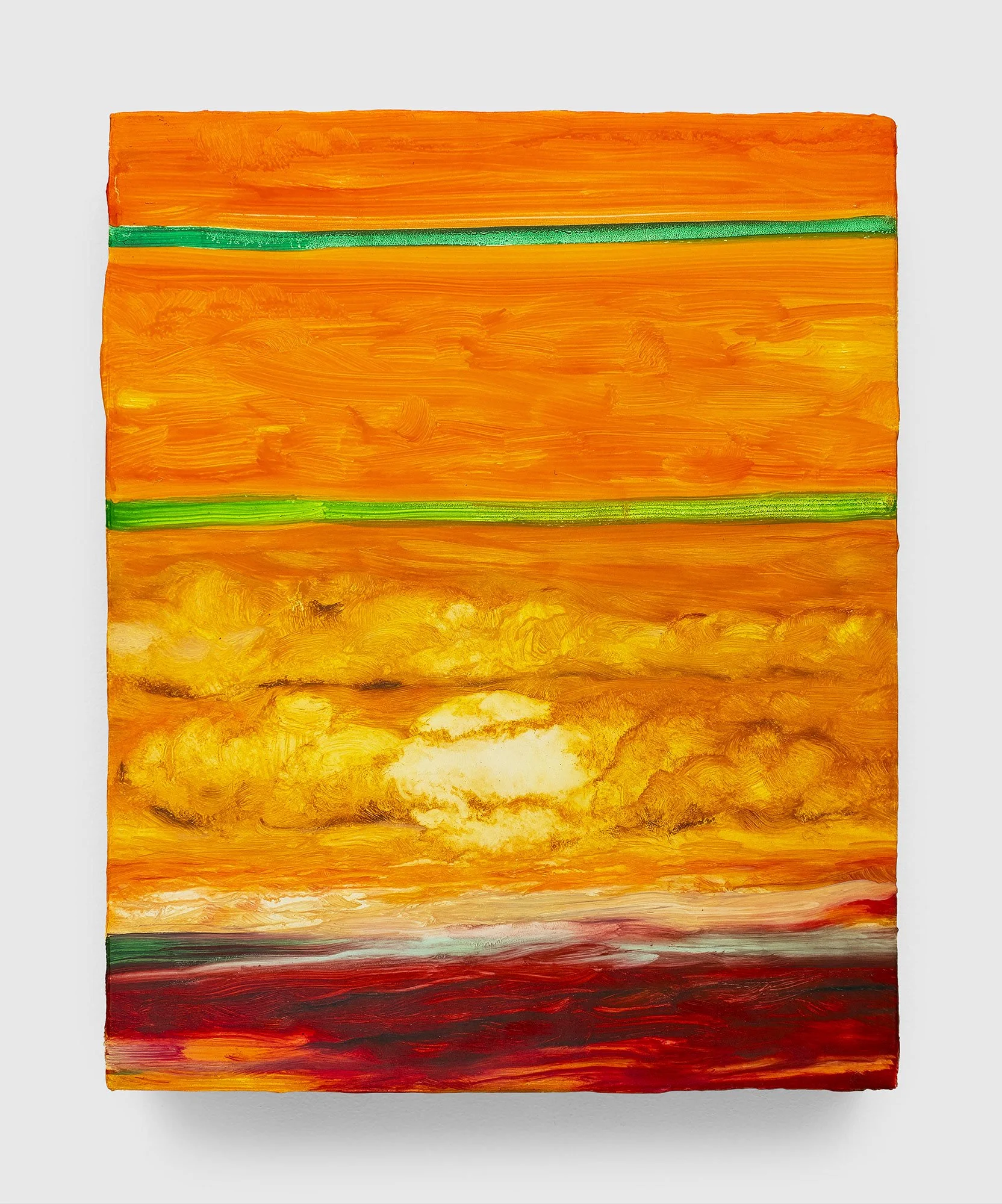
Stéphane Ducret
Untitled (from the Who’s Afraid of Light series)
2025
Oil on wood board
30,5 x 24,8 x 3,3 cm | 12 x 9 ¾ x 1 ⅓ inches
Stéphane Ducret
Untitled (from the Who’s Afraid of Light series)
2025
Oil on wood board
30,5 x 24,8 x 3,4 cm | 12 x 9 ¾ x 1 ⅓ inches
Stéphane Ducret
Untitled (from the Who’s Afraid of Light series)
2025
Oil on wood board
30,7 x 24,8 x 3,3 cm | 12 ⅛ x 9 ¾ x 1 ⅓ inches
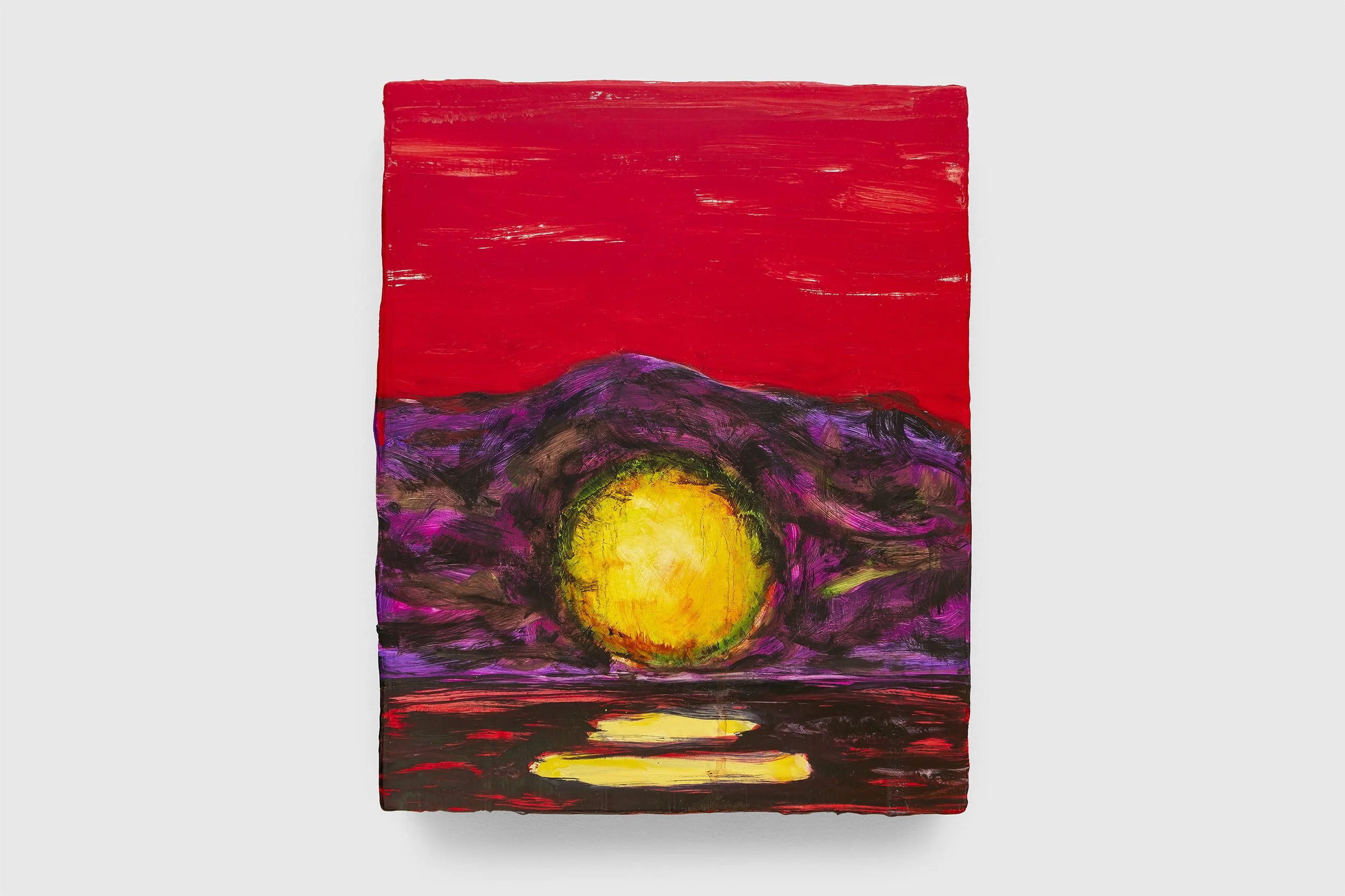
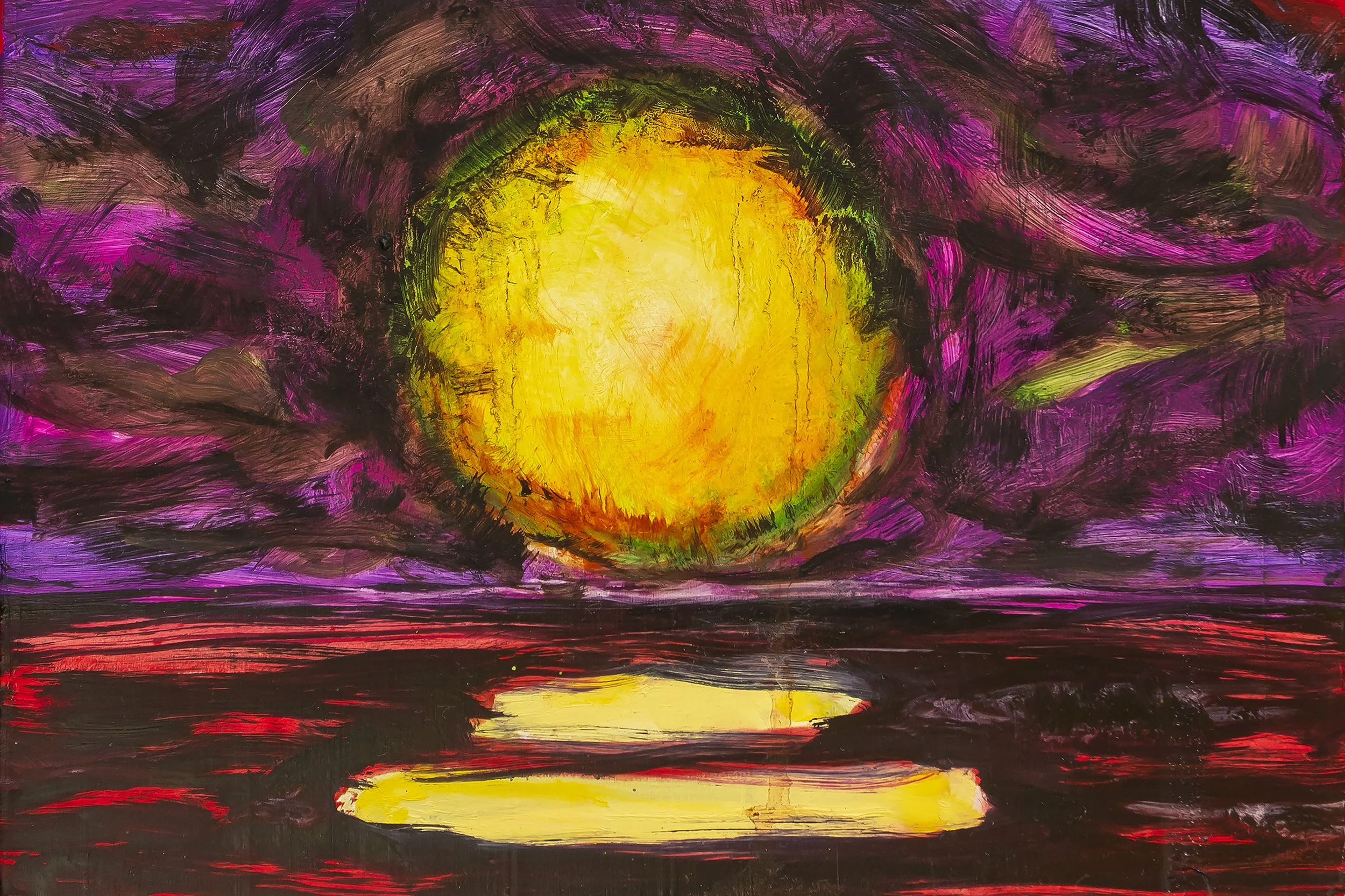
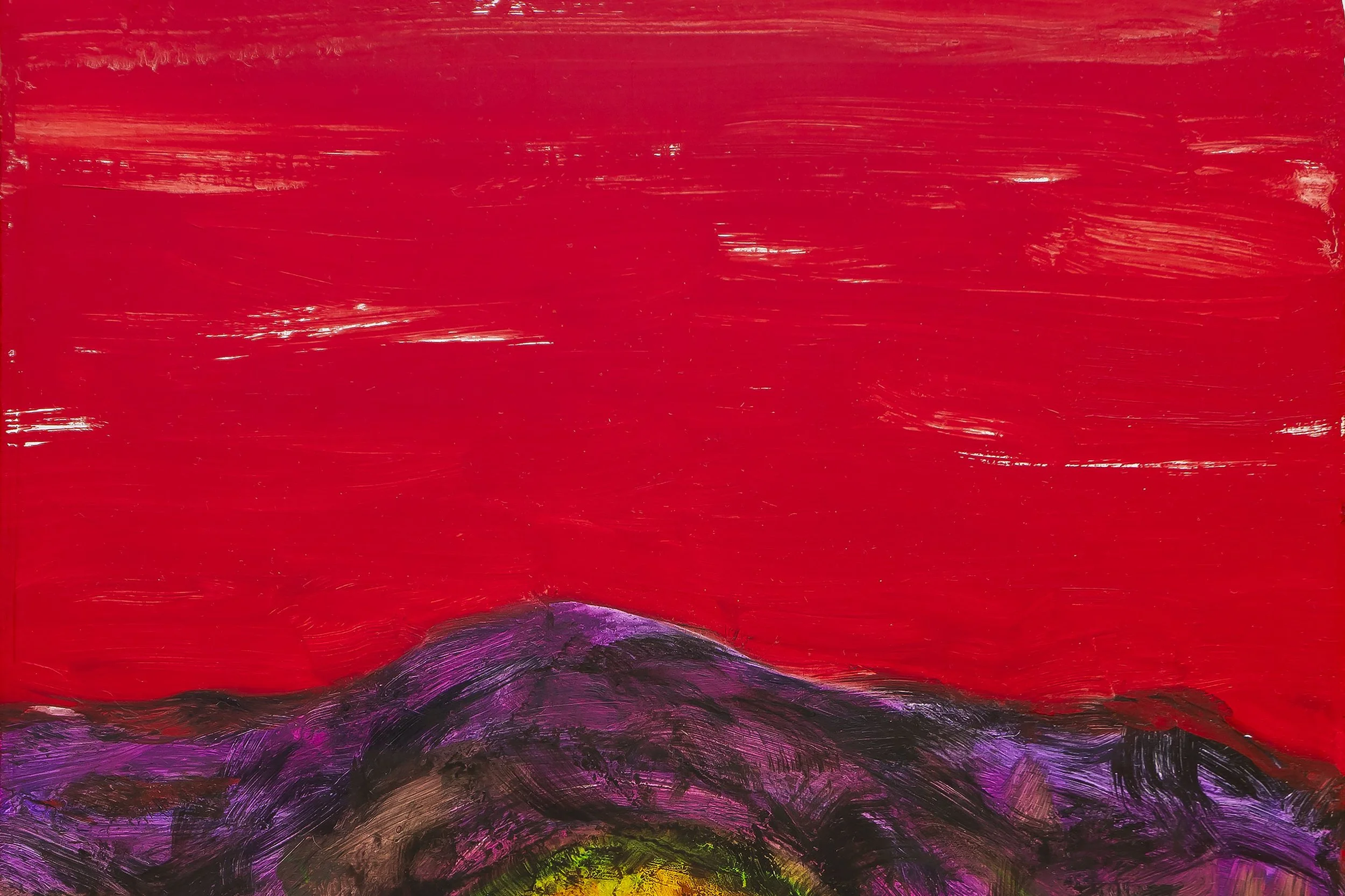
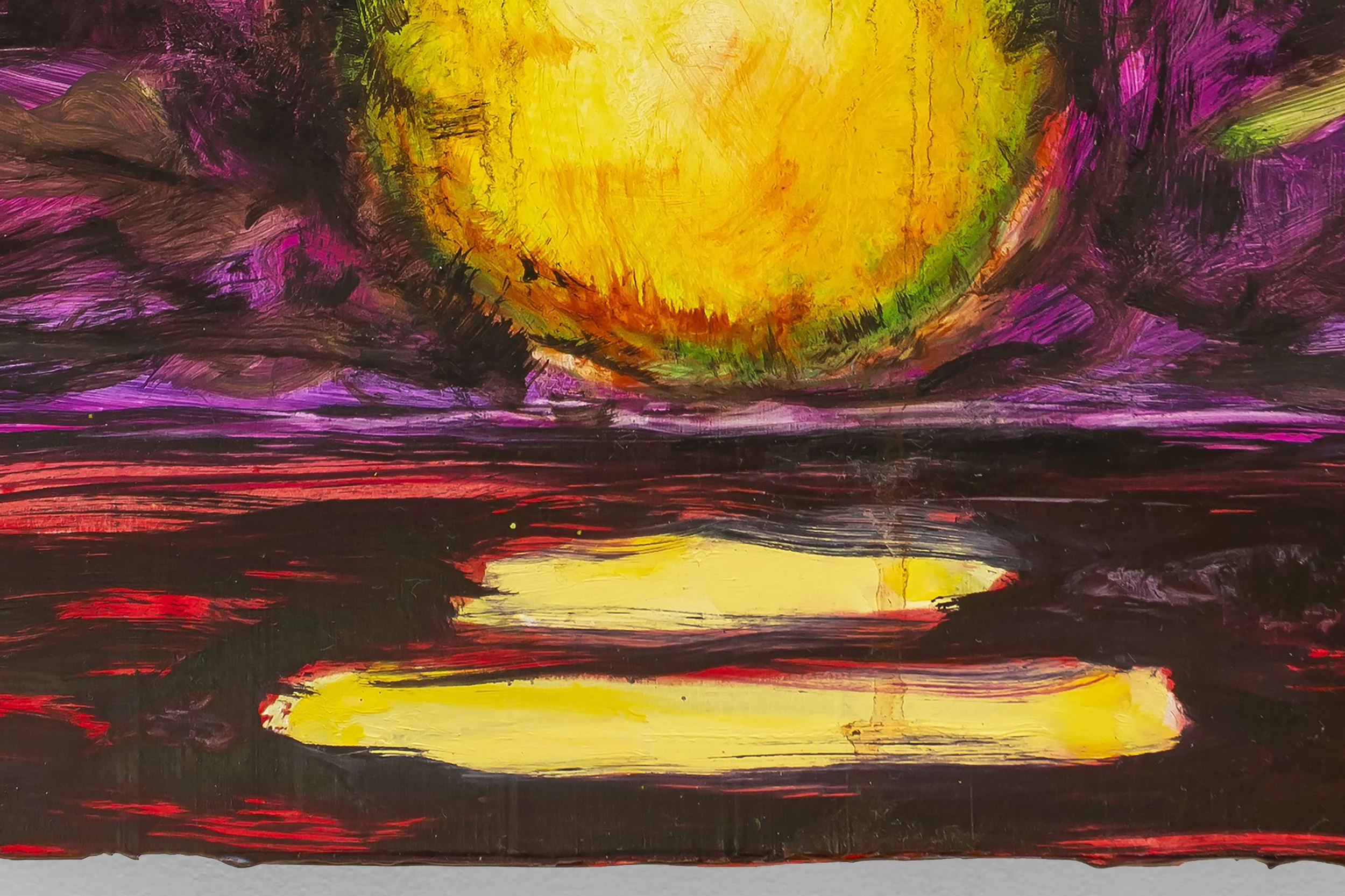
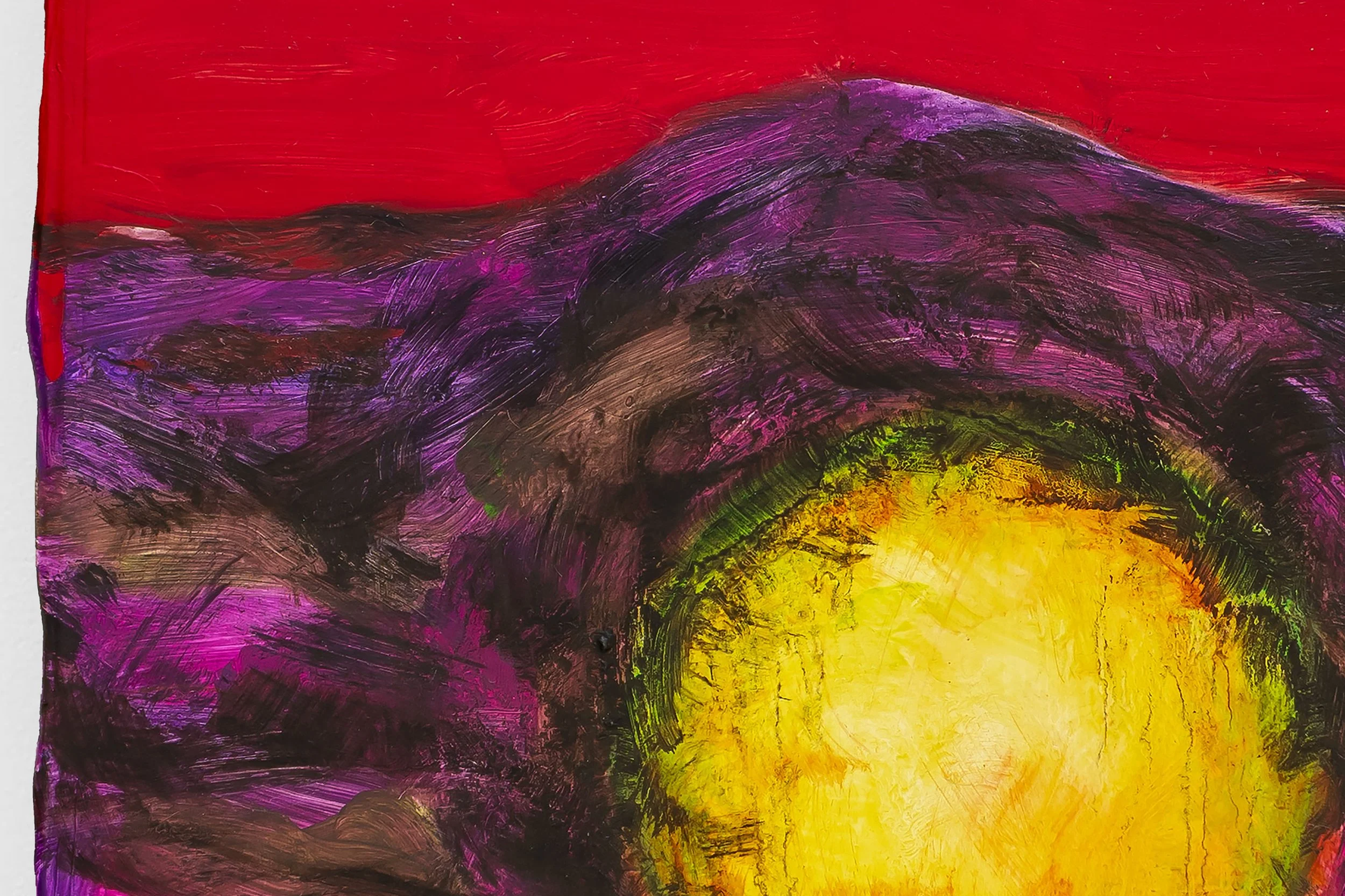
Stéphane Ducret
Untitled (from the Who’s Afraid of Light series)
2025
Oil on wood board
30,7 x 24,9 x 3,3 cm | 12 ⅛ x 9 ¾ x 1 ⅓ inches
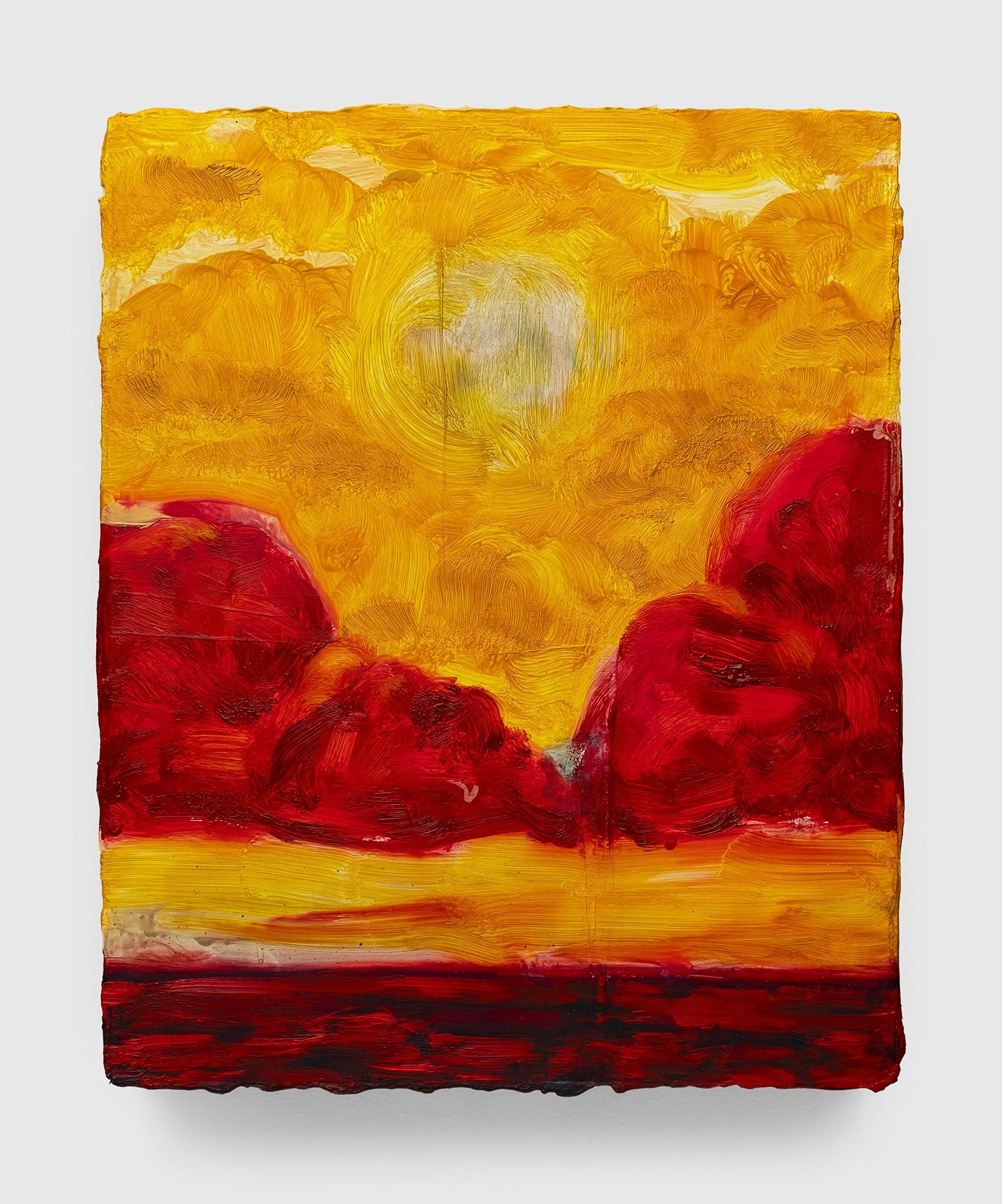
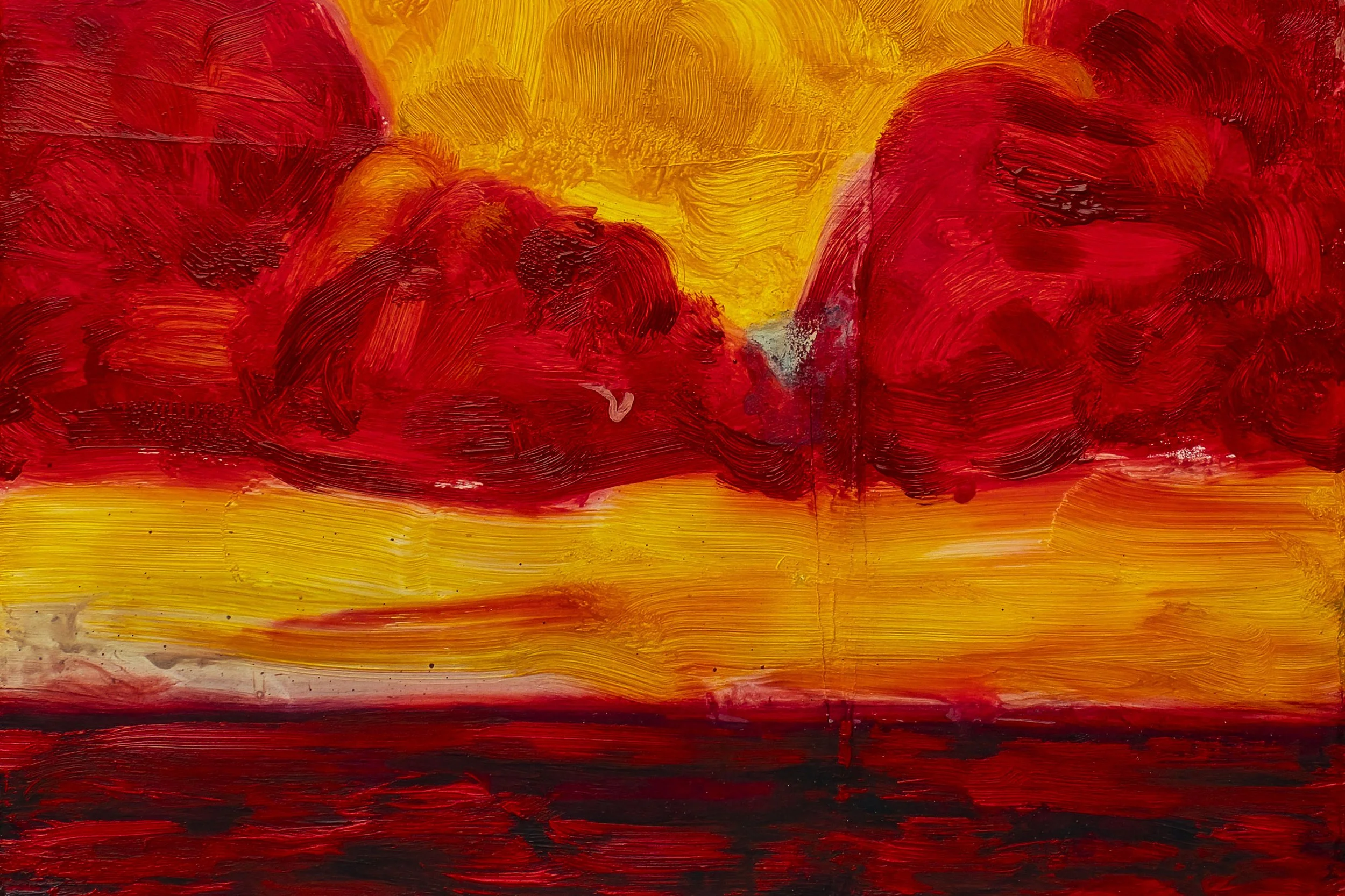
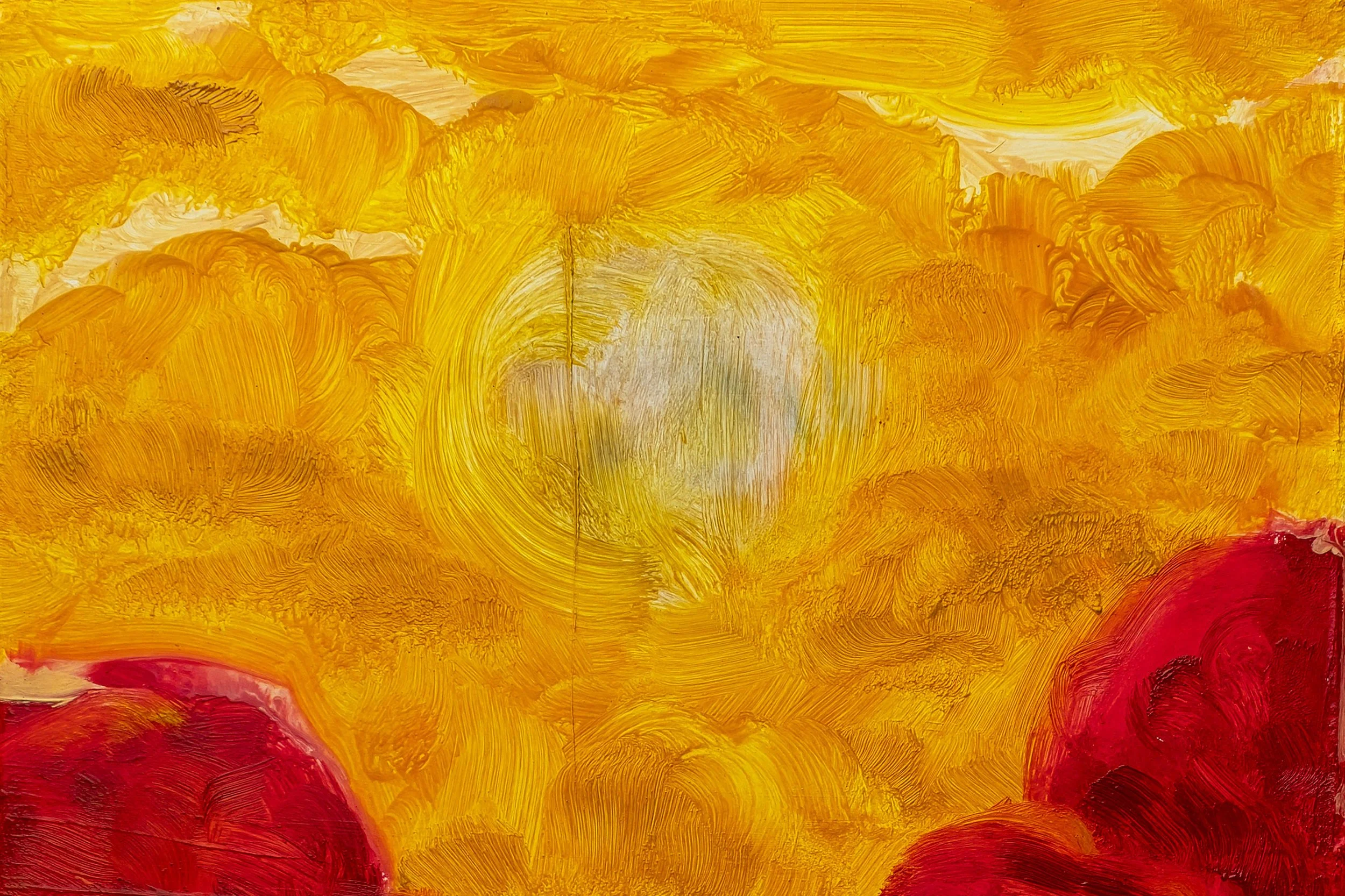
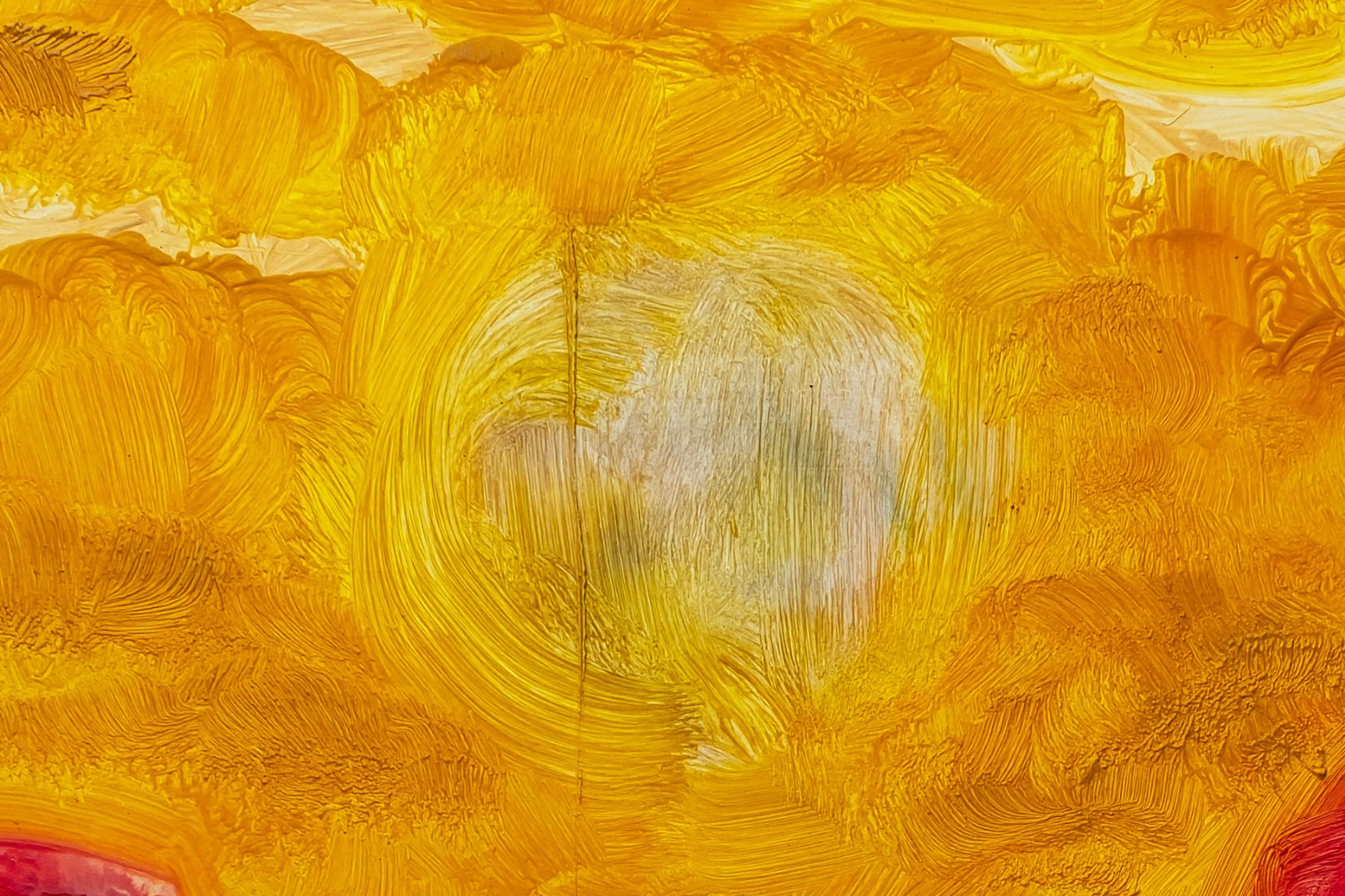
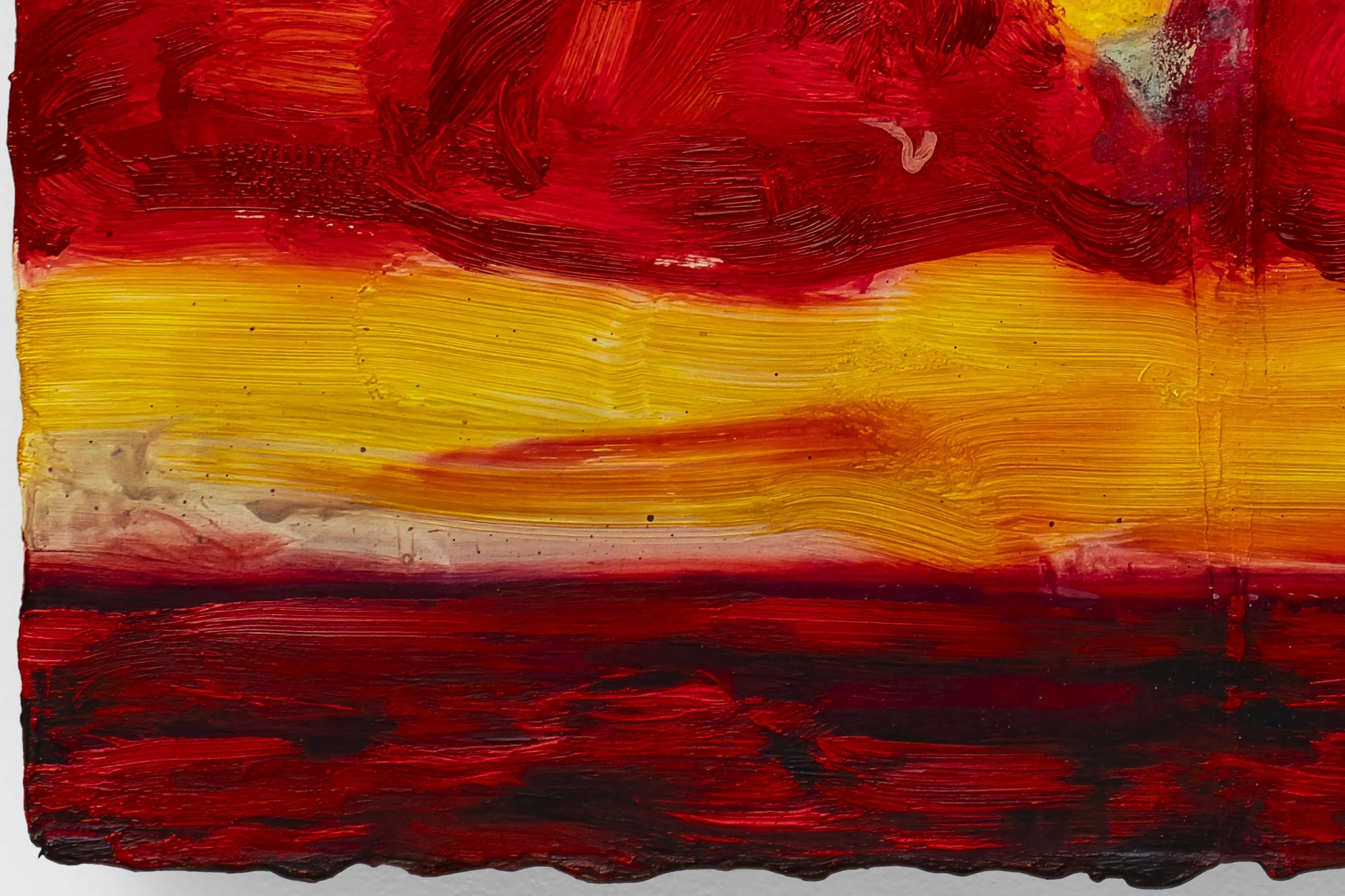
Stéphane Ducret
Untitled (from the Who’s Afraid of Light series)
2025
Oil on wood board
31,5 x 25,3 x 3,4 cm | 12 ⅓ x 10 x 1 ⅓ inches
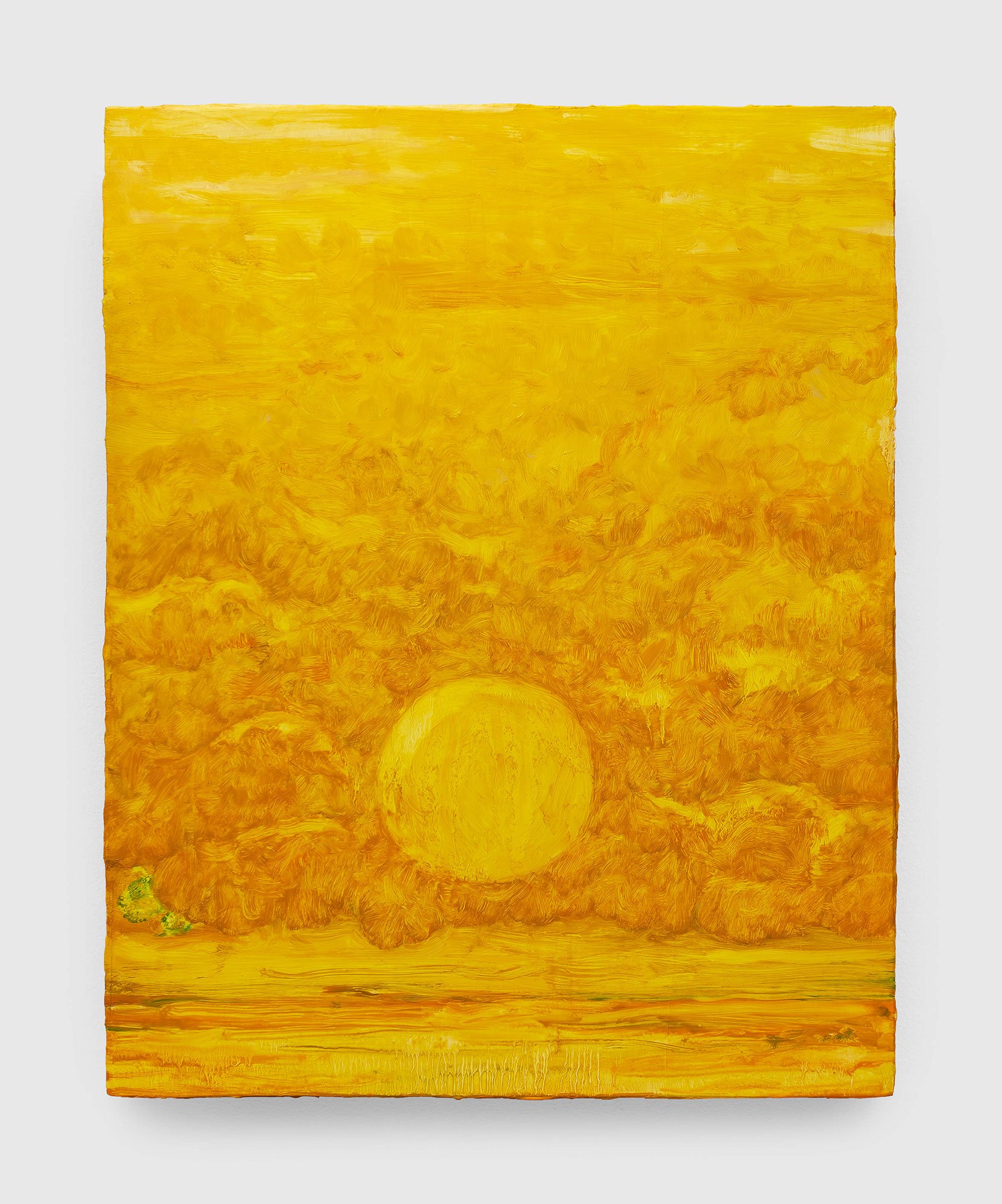
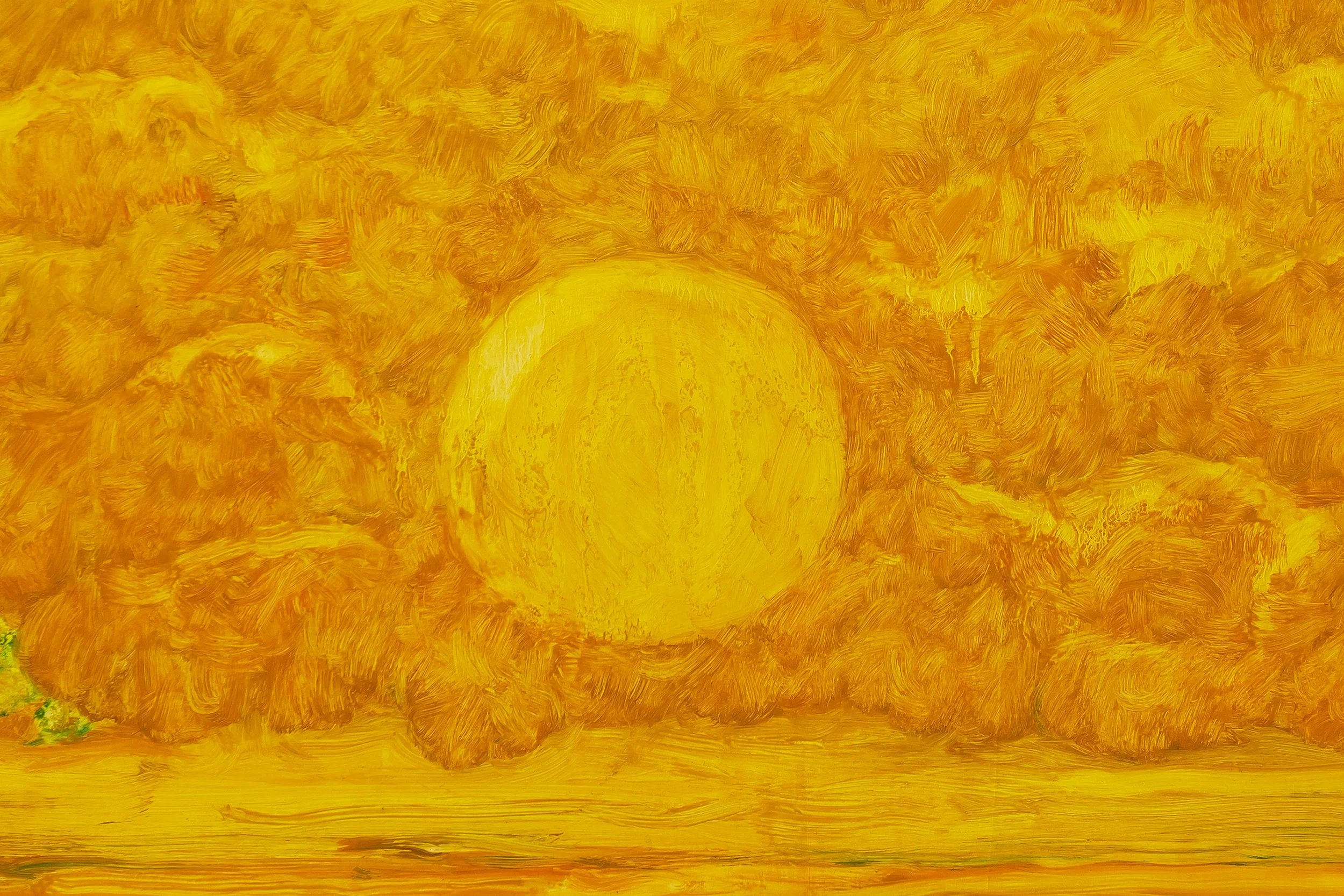
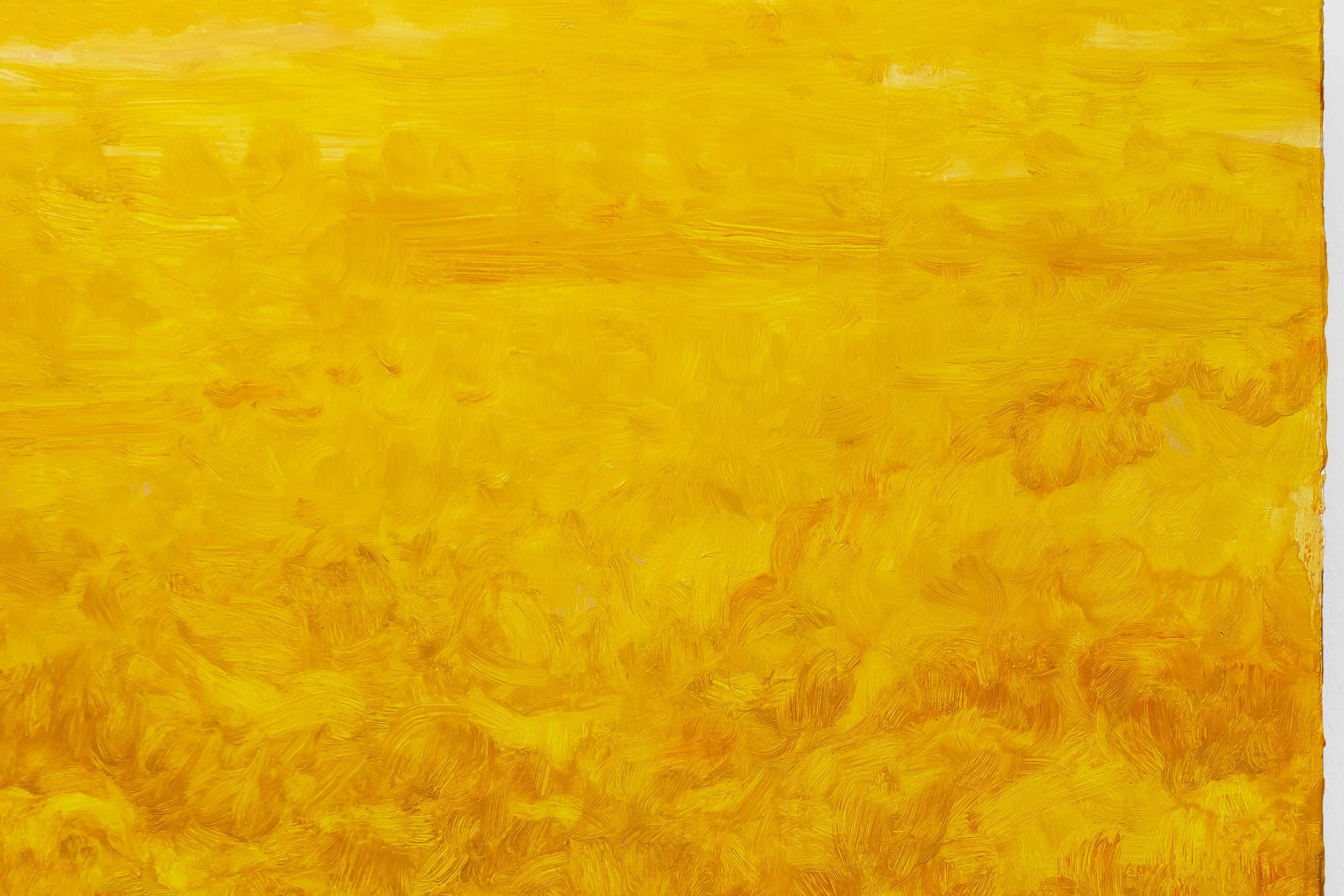
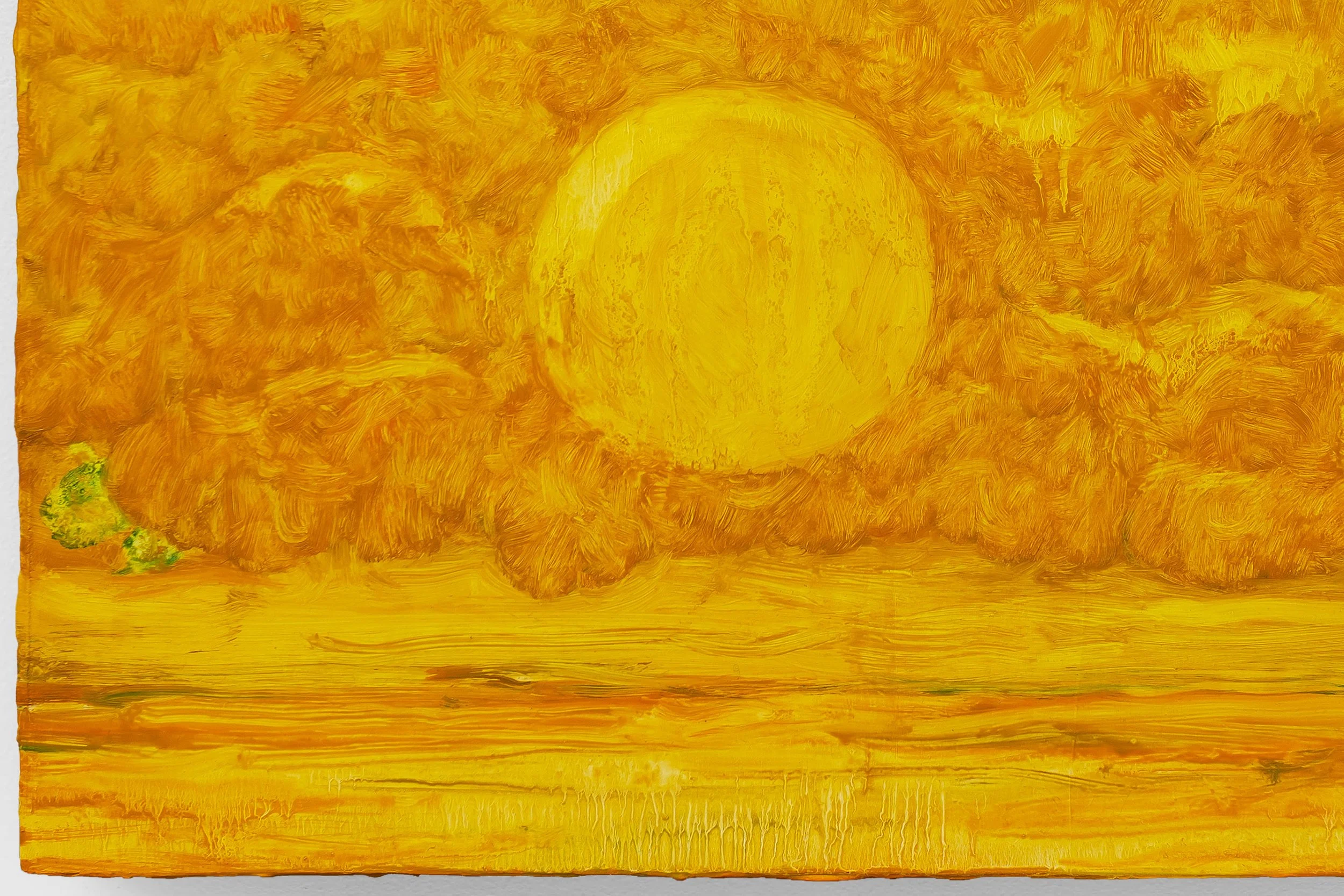
Stéphane Ducret
Untitled (from the Who’s Afraid of Light series)
2025
Oil on wood board
50,7 x 40,6 x 3,4 cm | 20 x 16 x 1 ⅓ inches
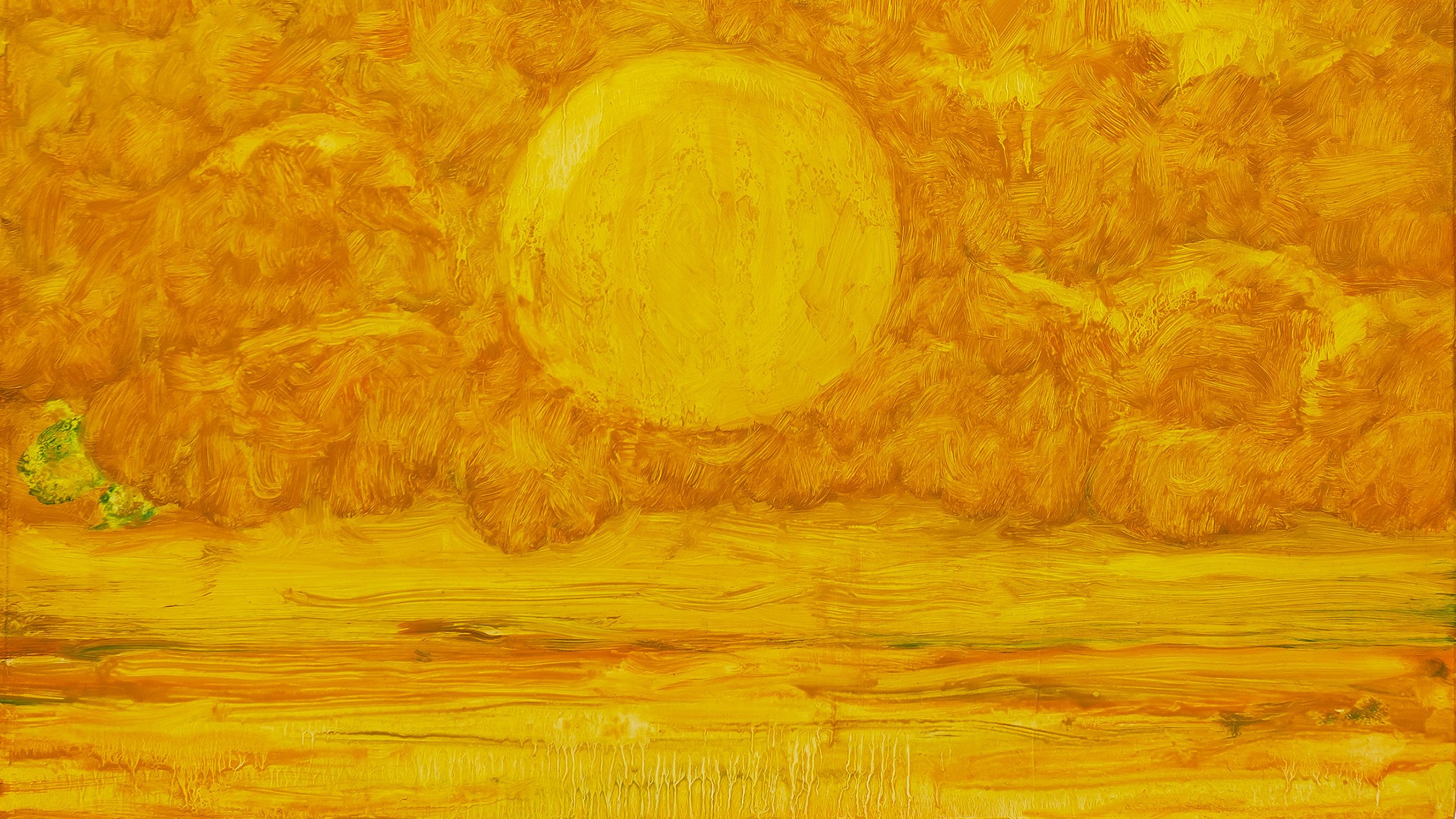
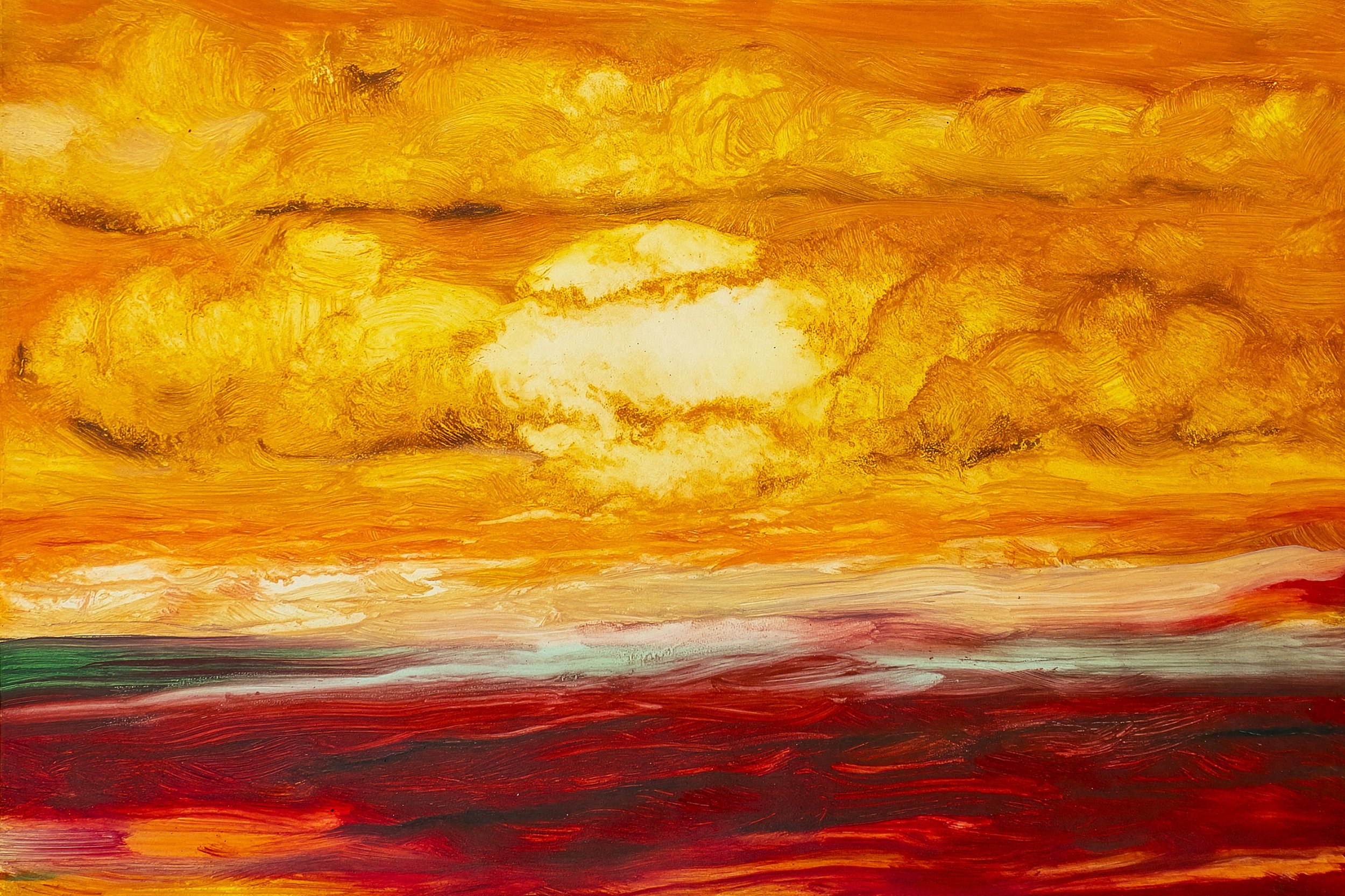
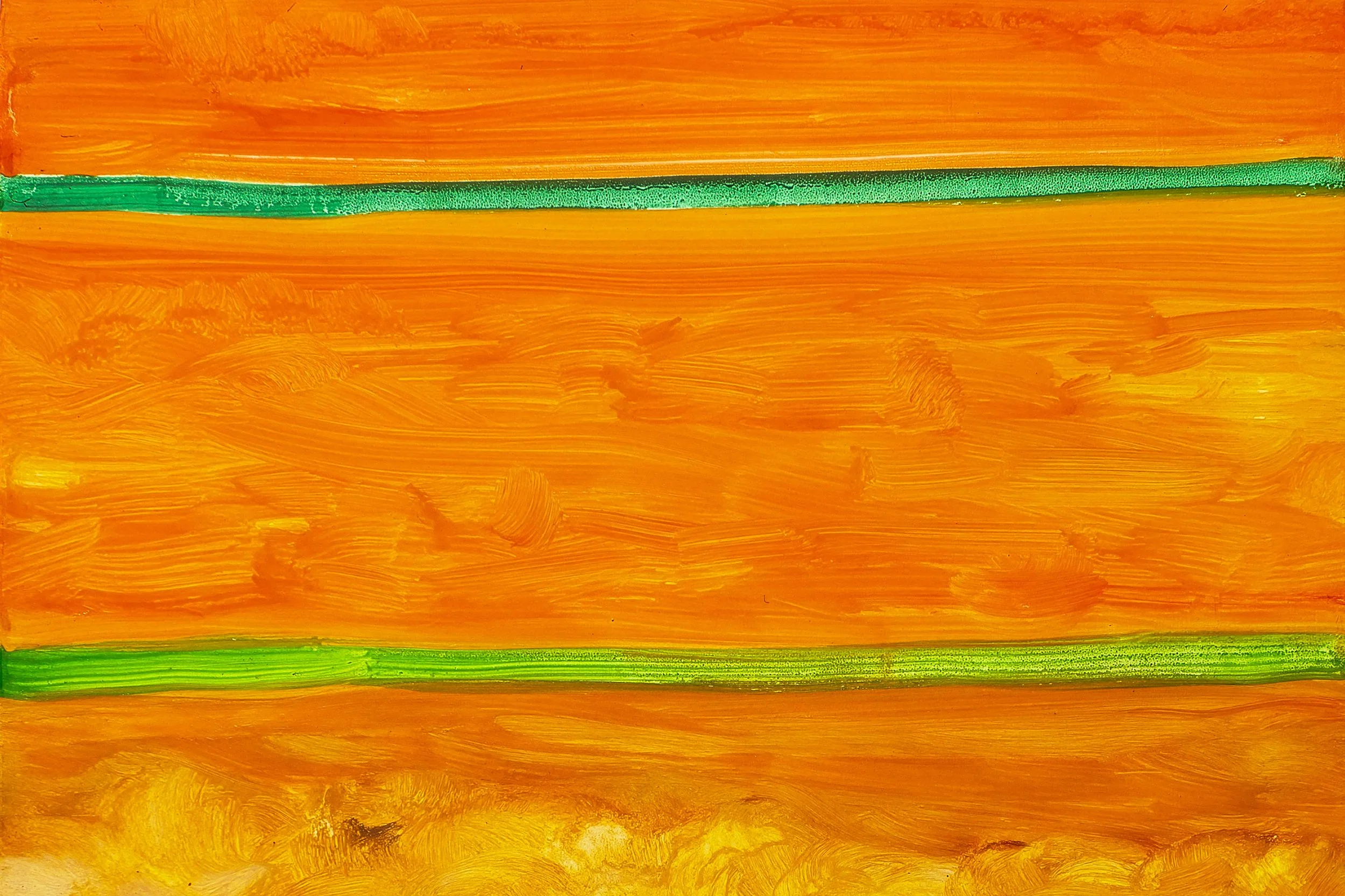
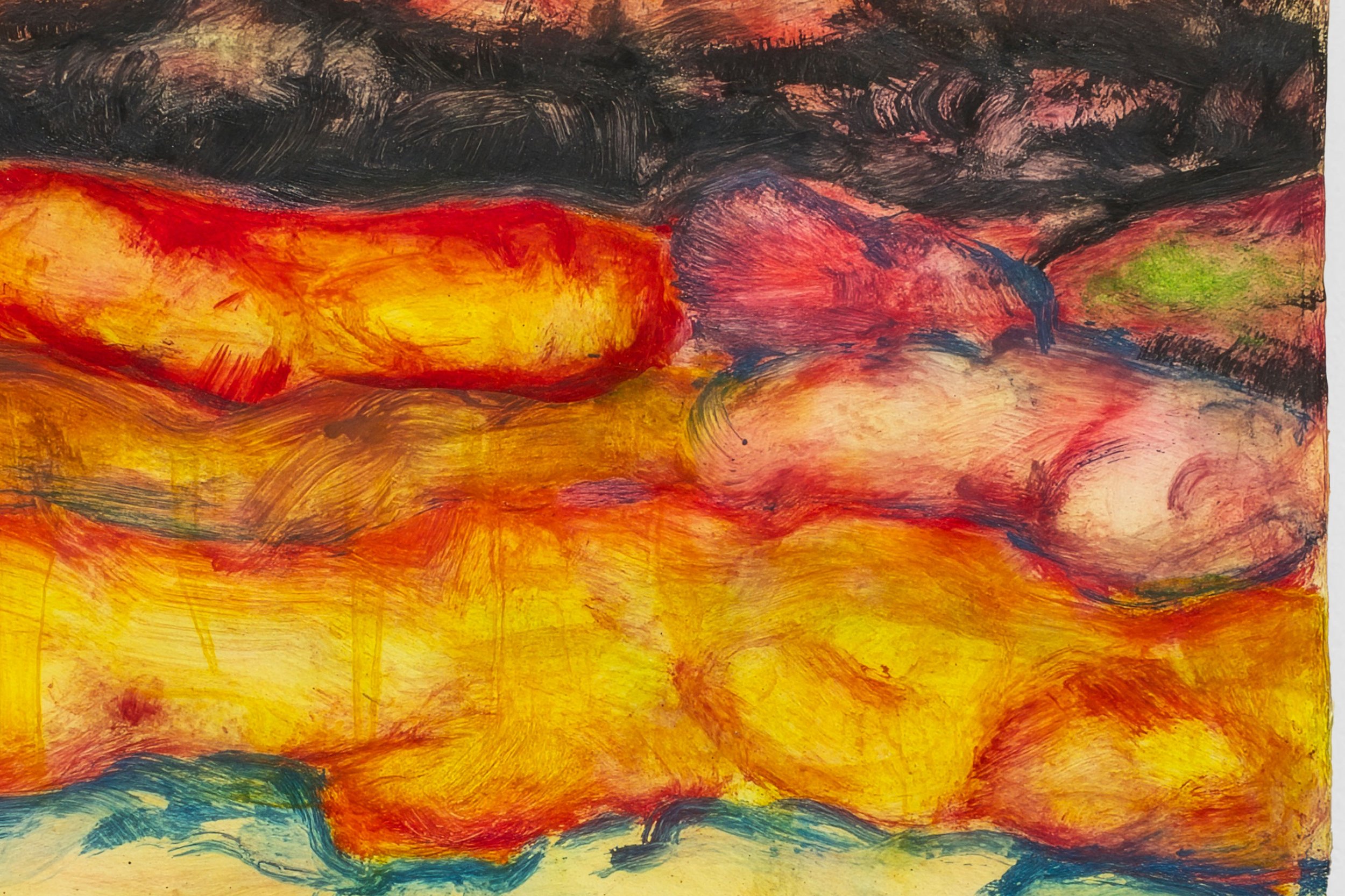
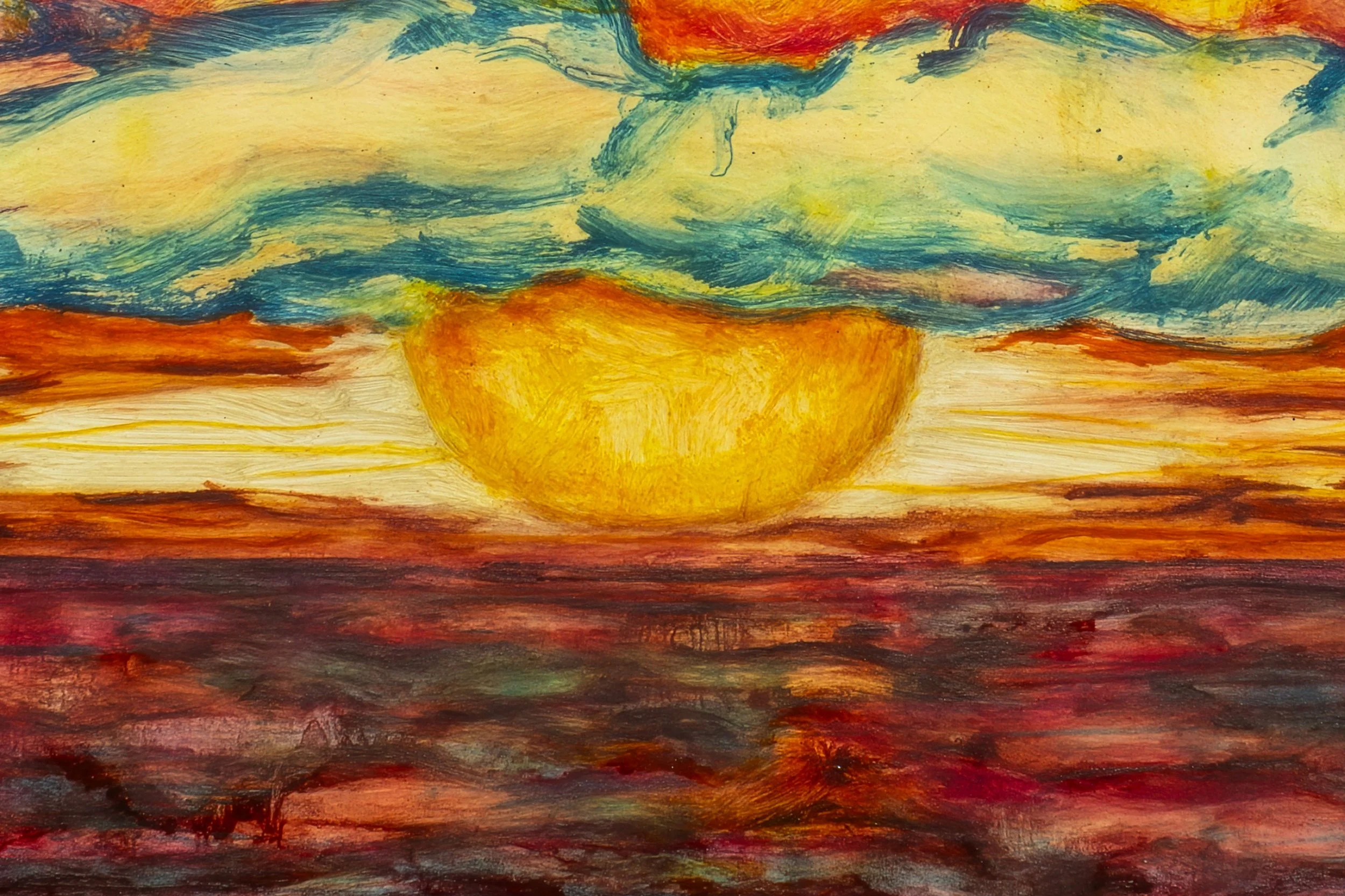
Stéphane Ducret, Untitled (from the Who’s Afraid of Light series), 2025 (detail)
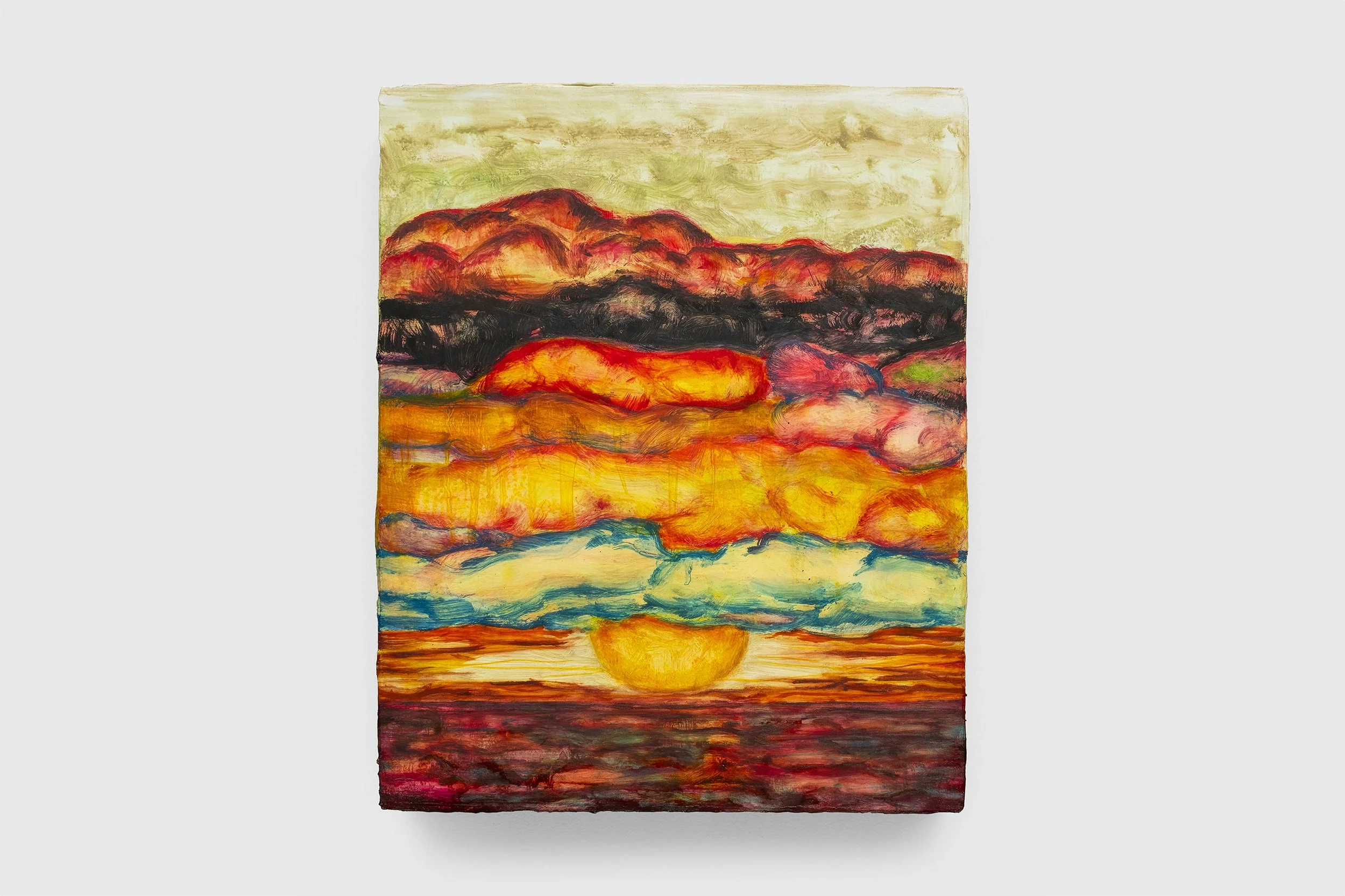
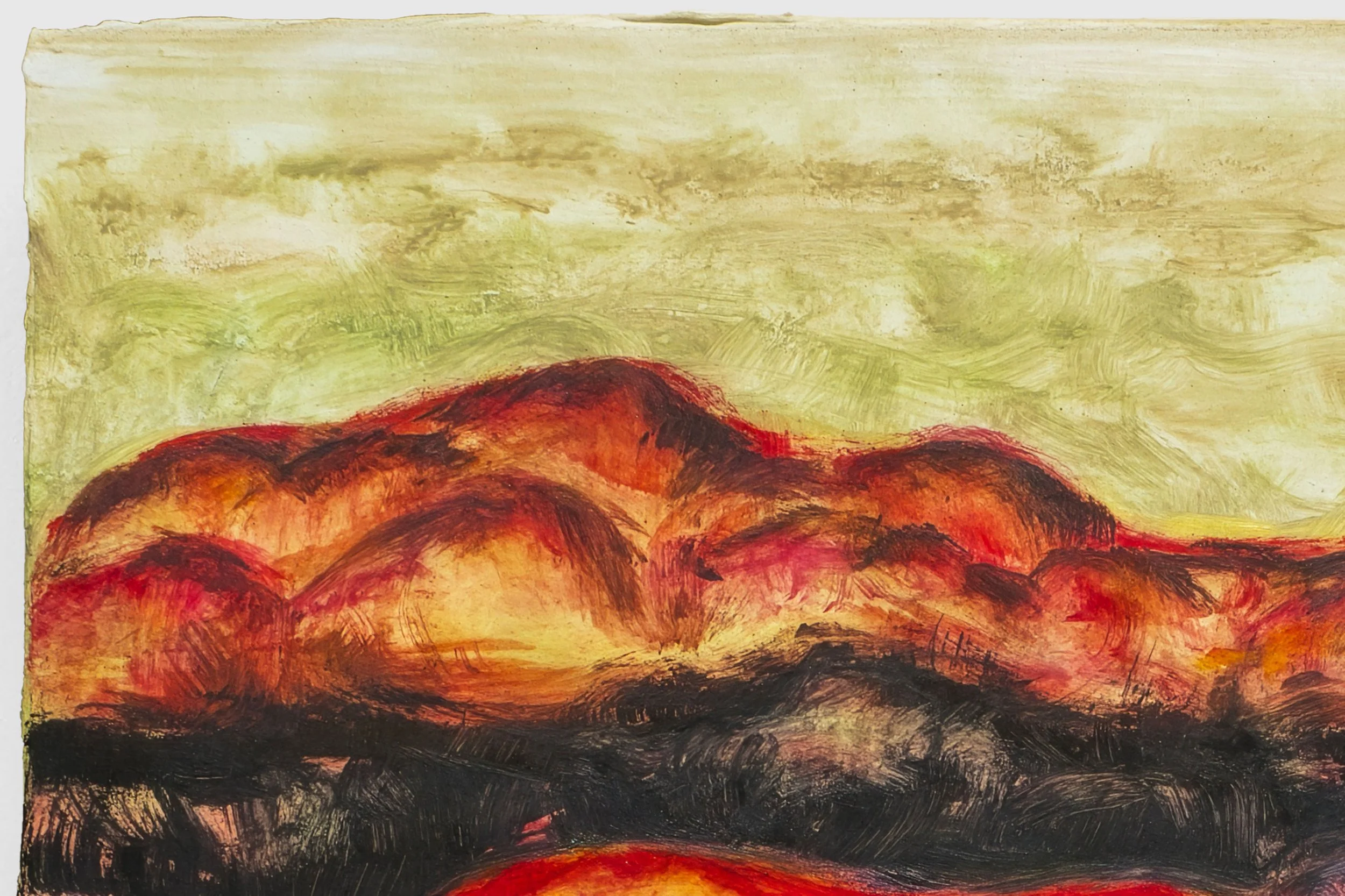
Stéphane Ducret
Untitled (from the Who’s Afraid of Light series)
2026
Oil on wood board
30,4 x 24,7 x 3,3 cm | 12 x 9 ¾ x 1 ⅓ inches
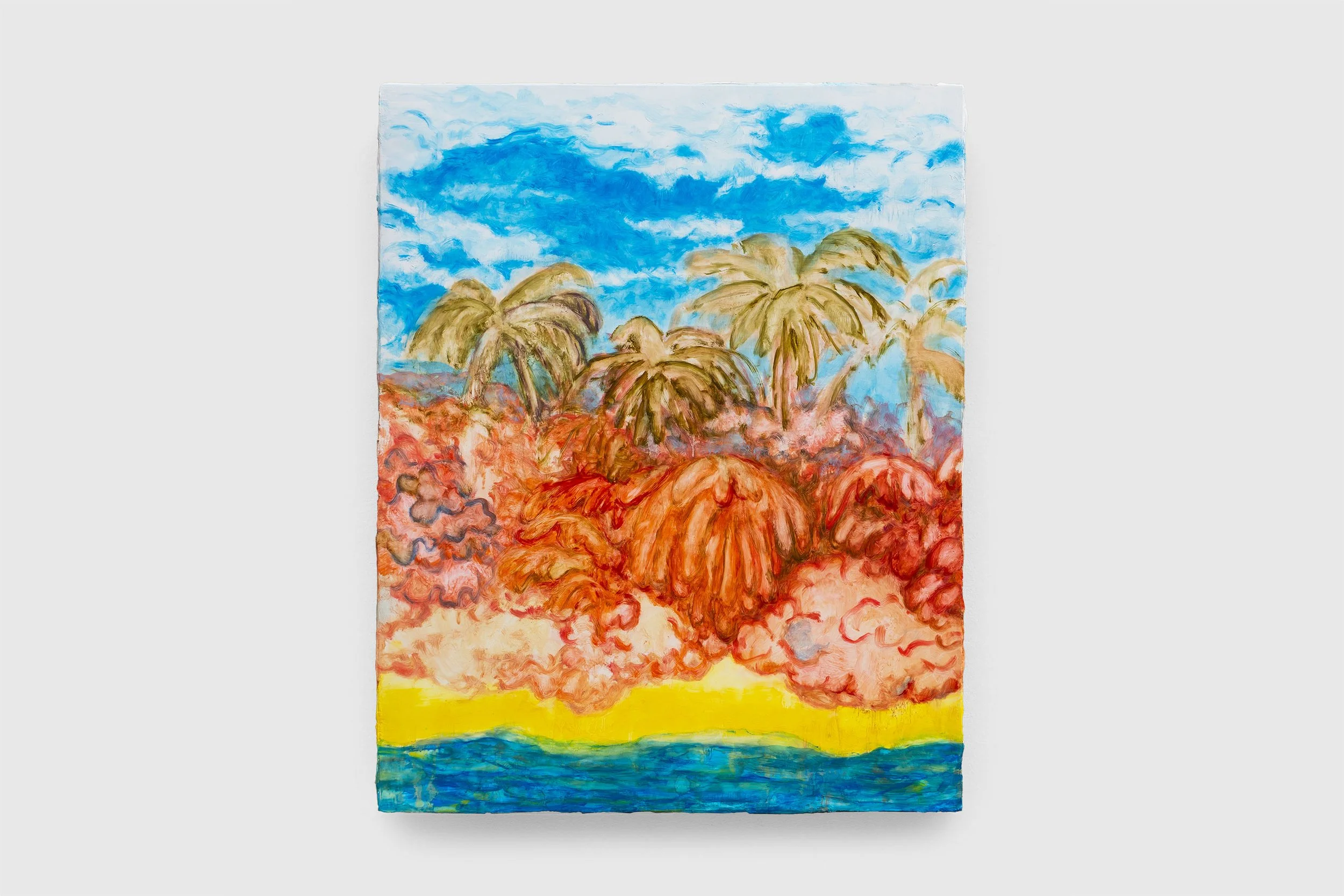
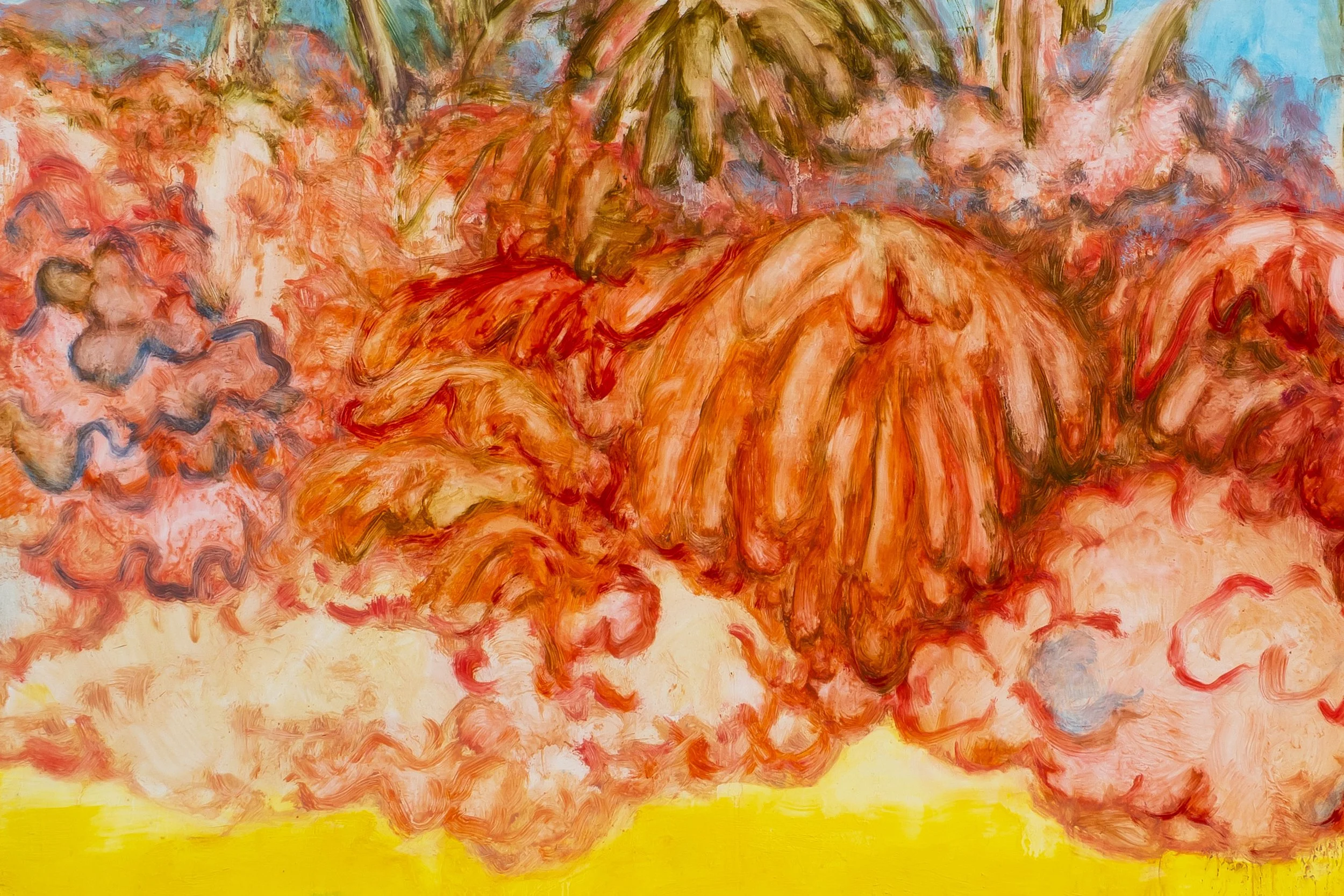
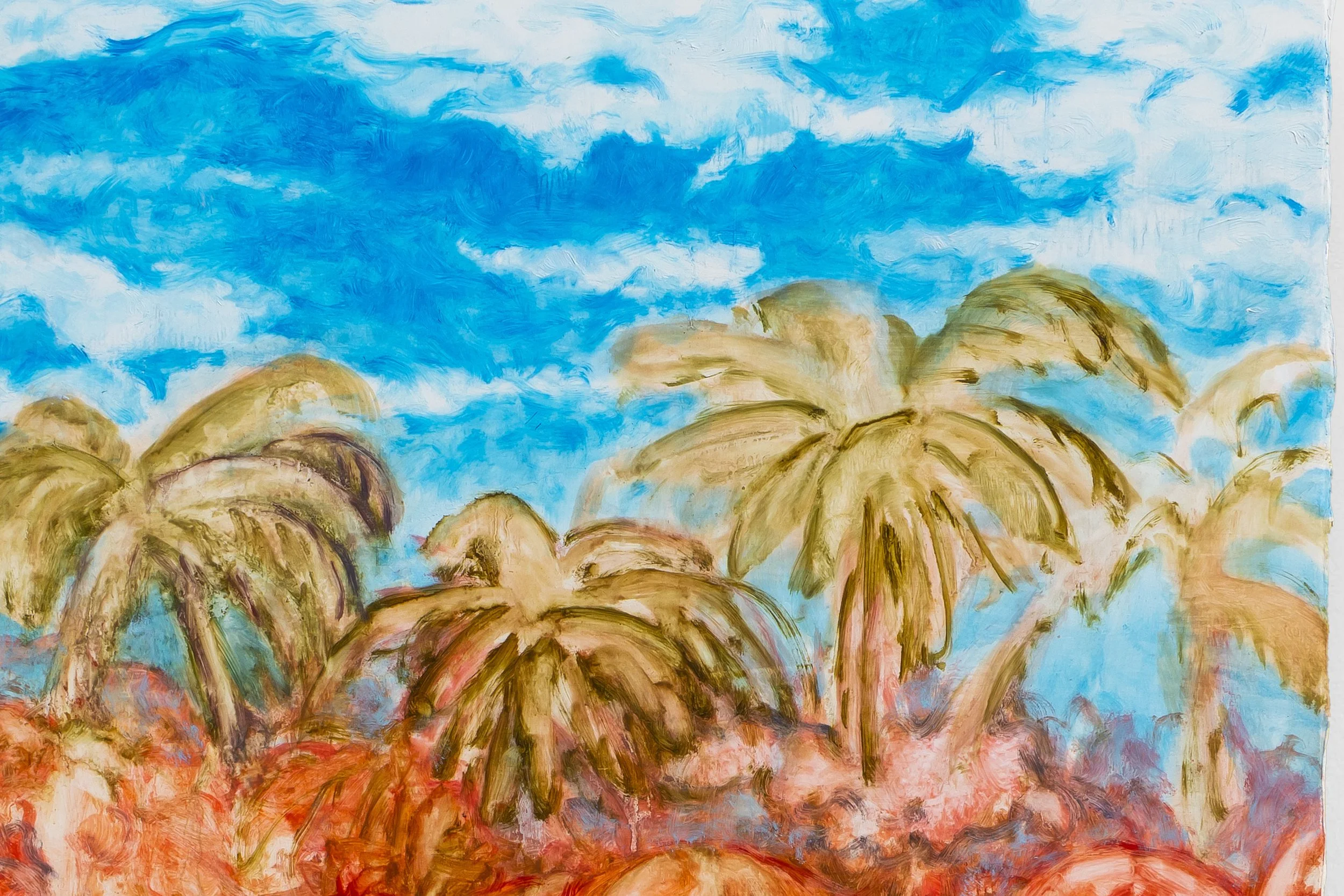
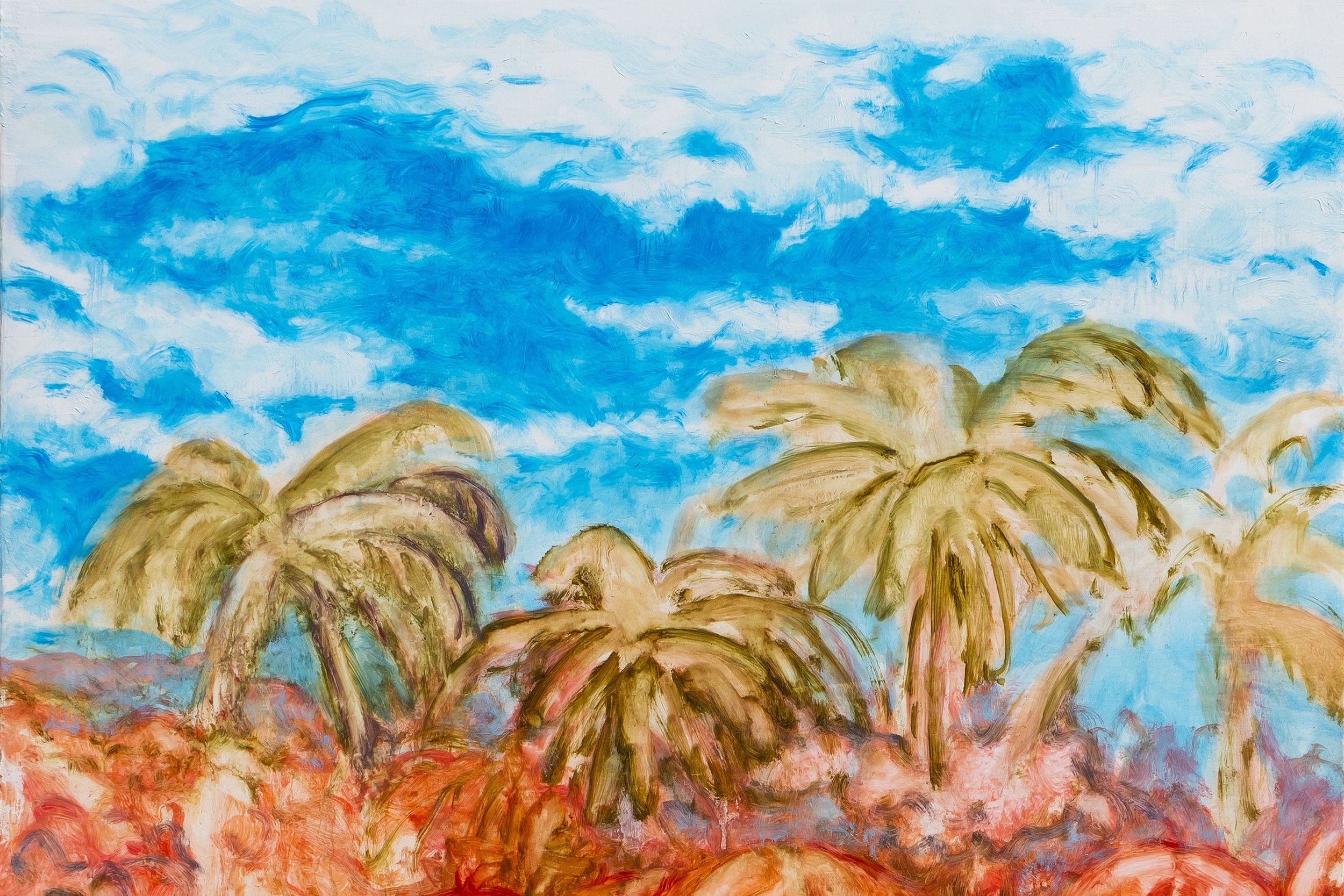
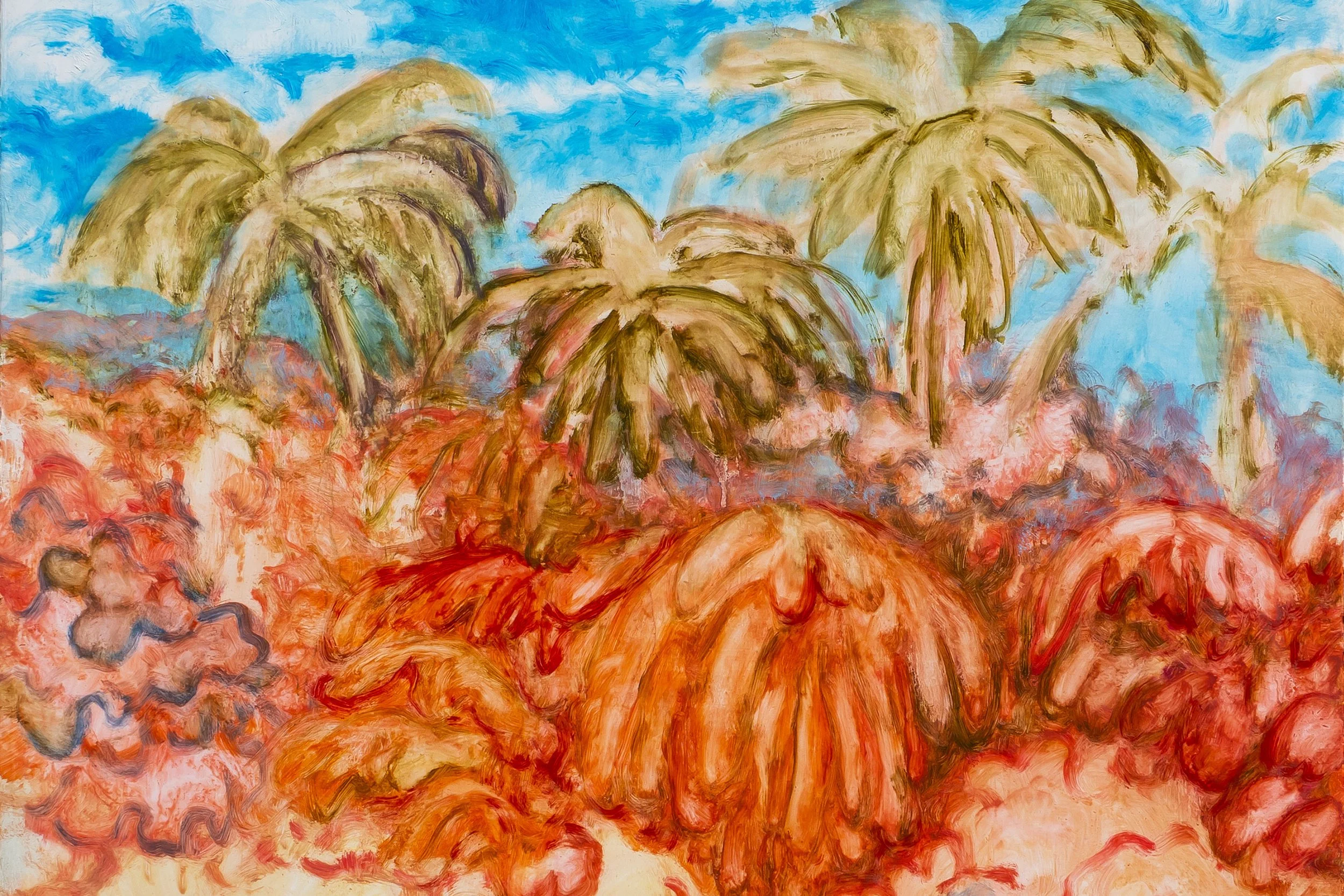
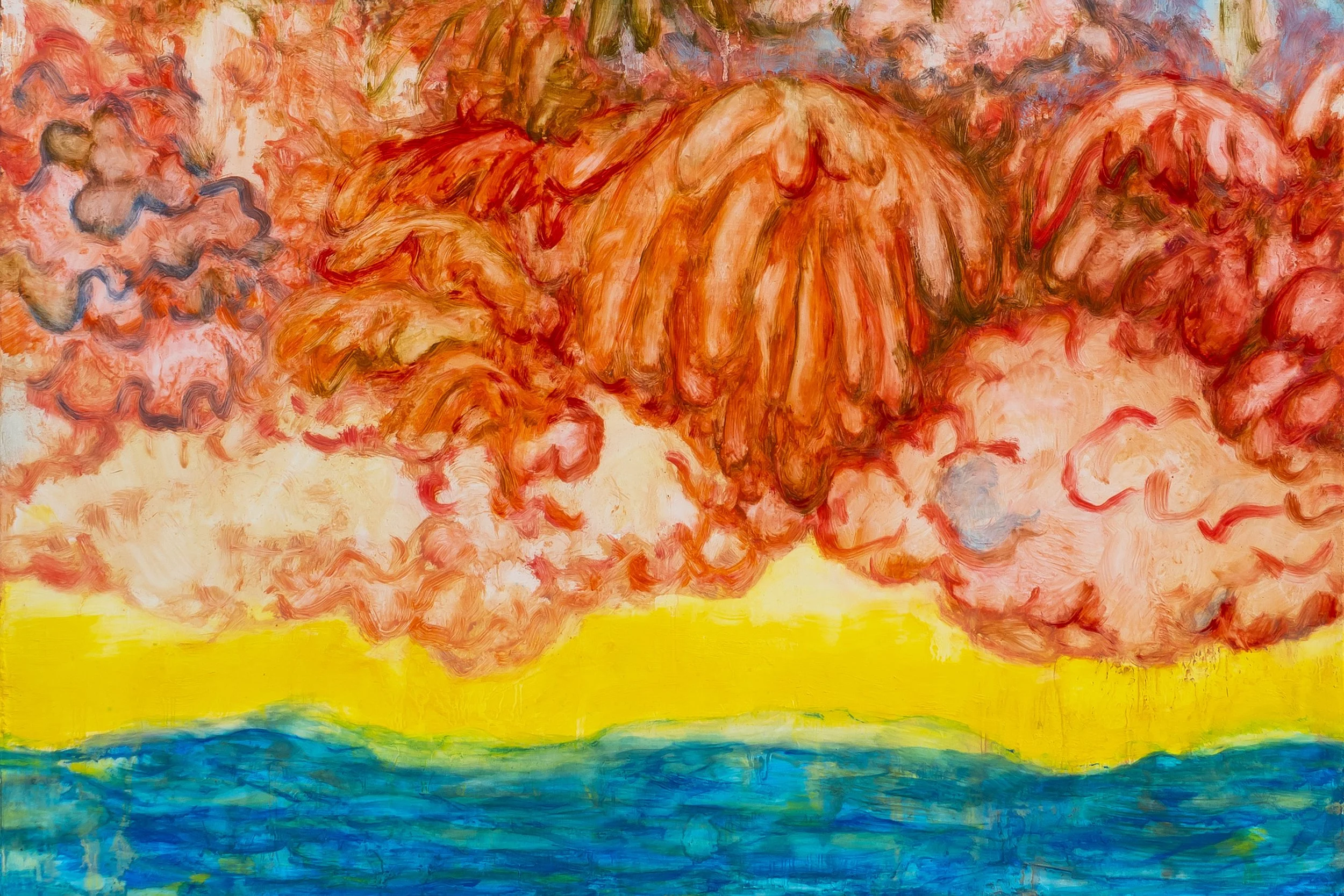
Stéphane Ducret
Untitled (from the Who’s Afraid of Light series)
2026
Oil on wood board
50,5 x 40,8 x 3,3 cm | 19 ⅞ x 16 ⅛ x 1 ⅓ inches
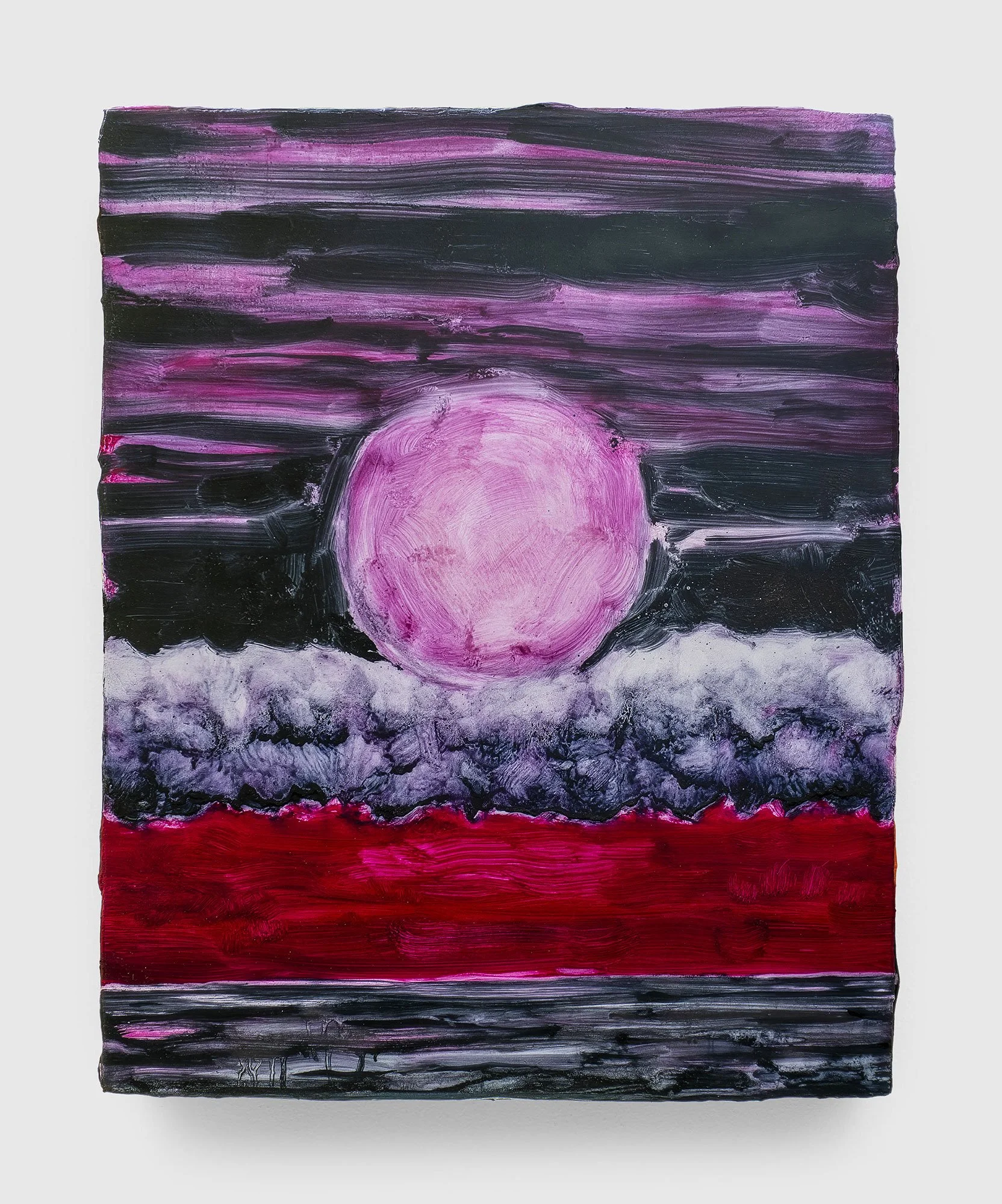
Stéphane Ducret
Untitled (from the Who’s Afraid of Light series)
2026
Oil on wood board
30,7 x 24,8 x 3,3 cm | 12 ⅛ x 9 ¾ x 1 ⅓ inches
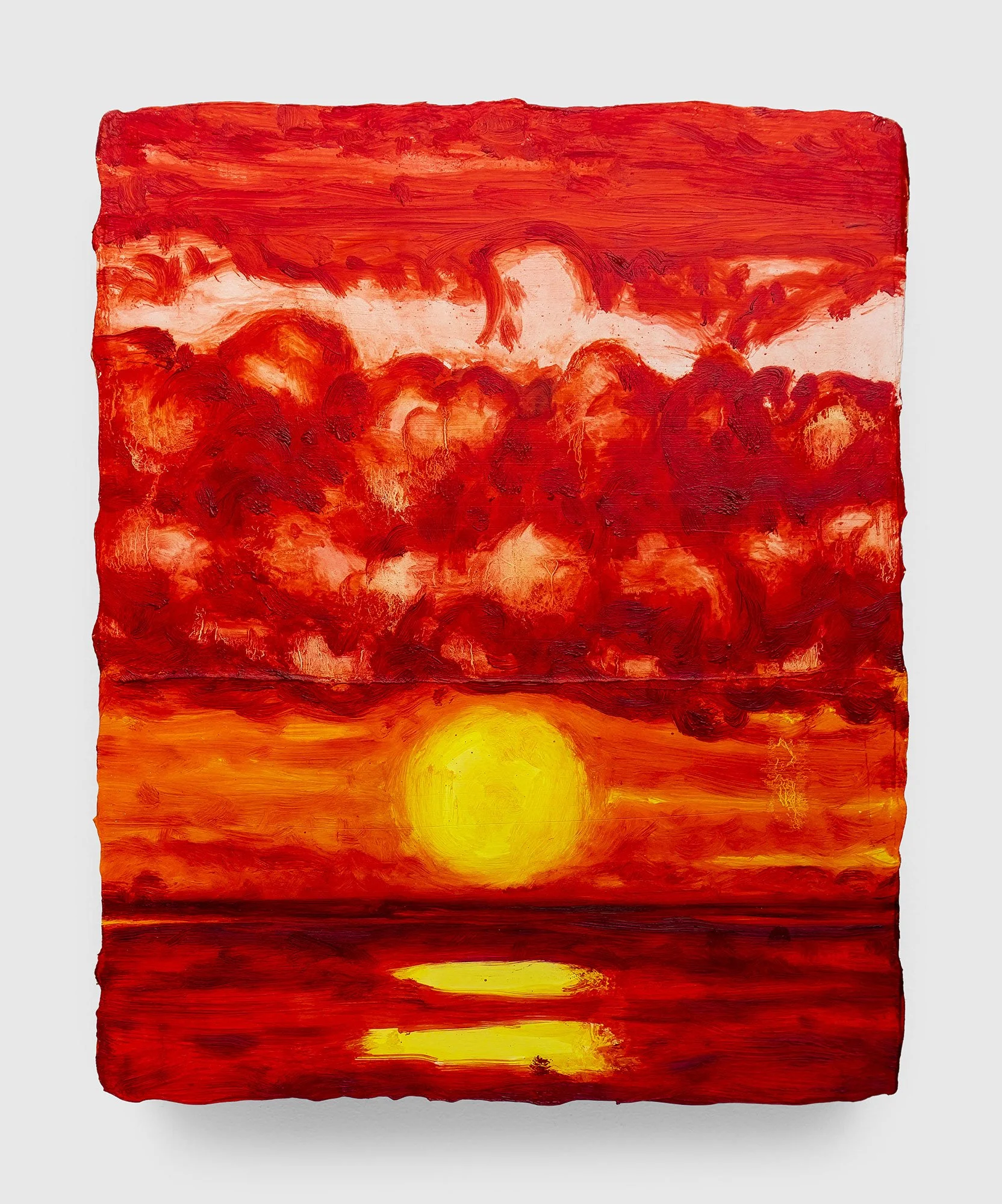
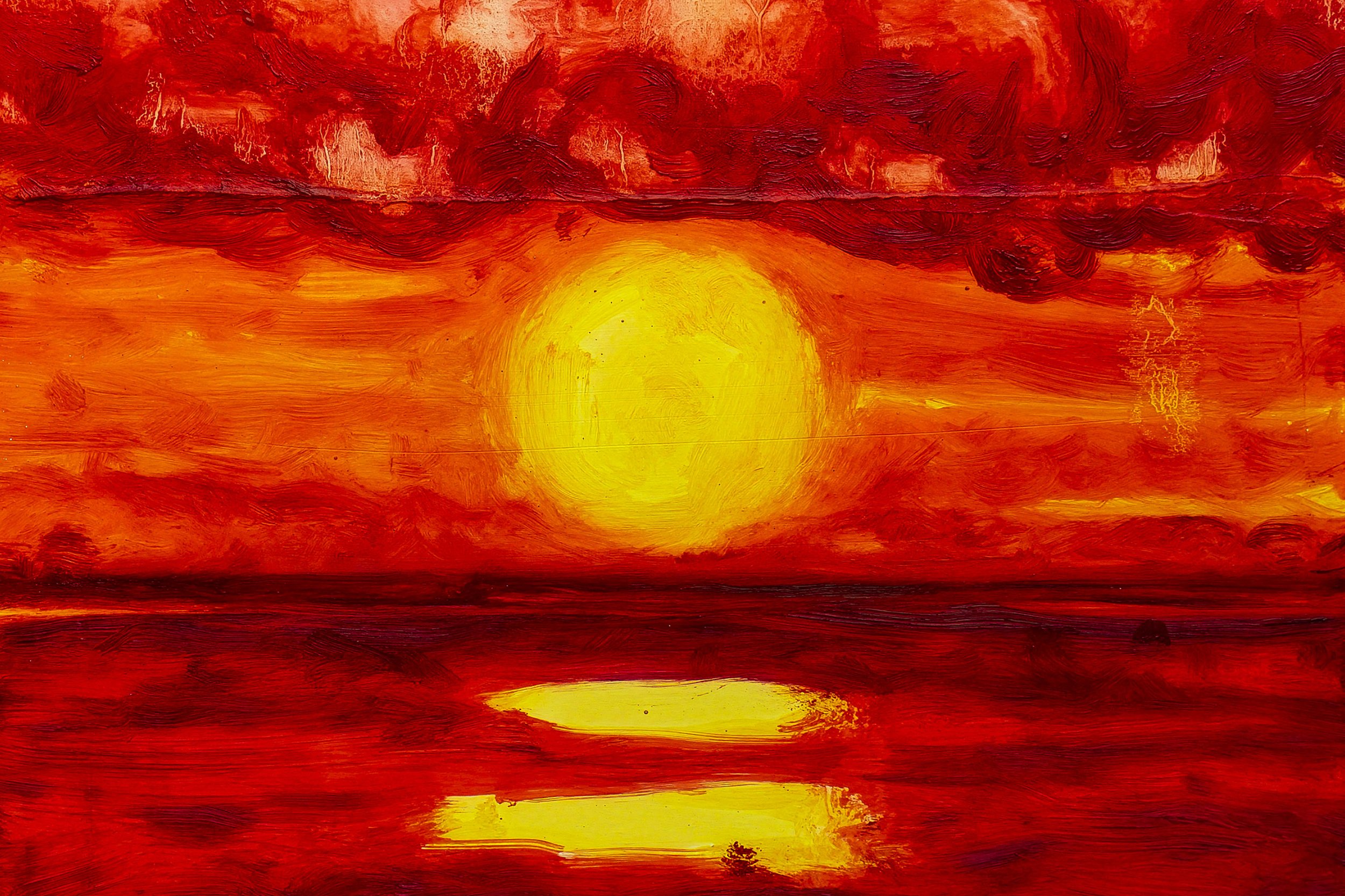
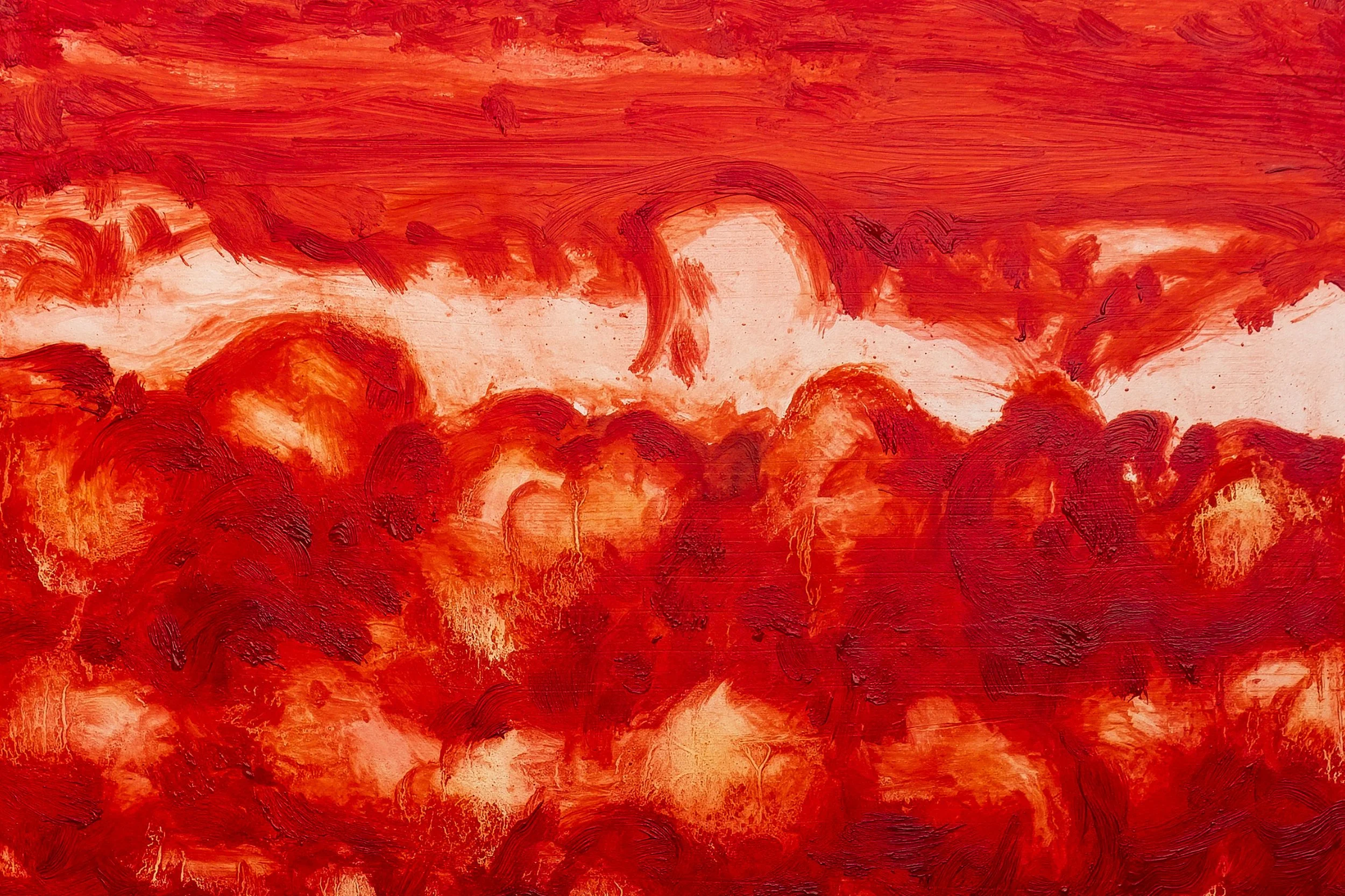
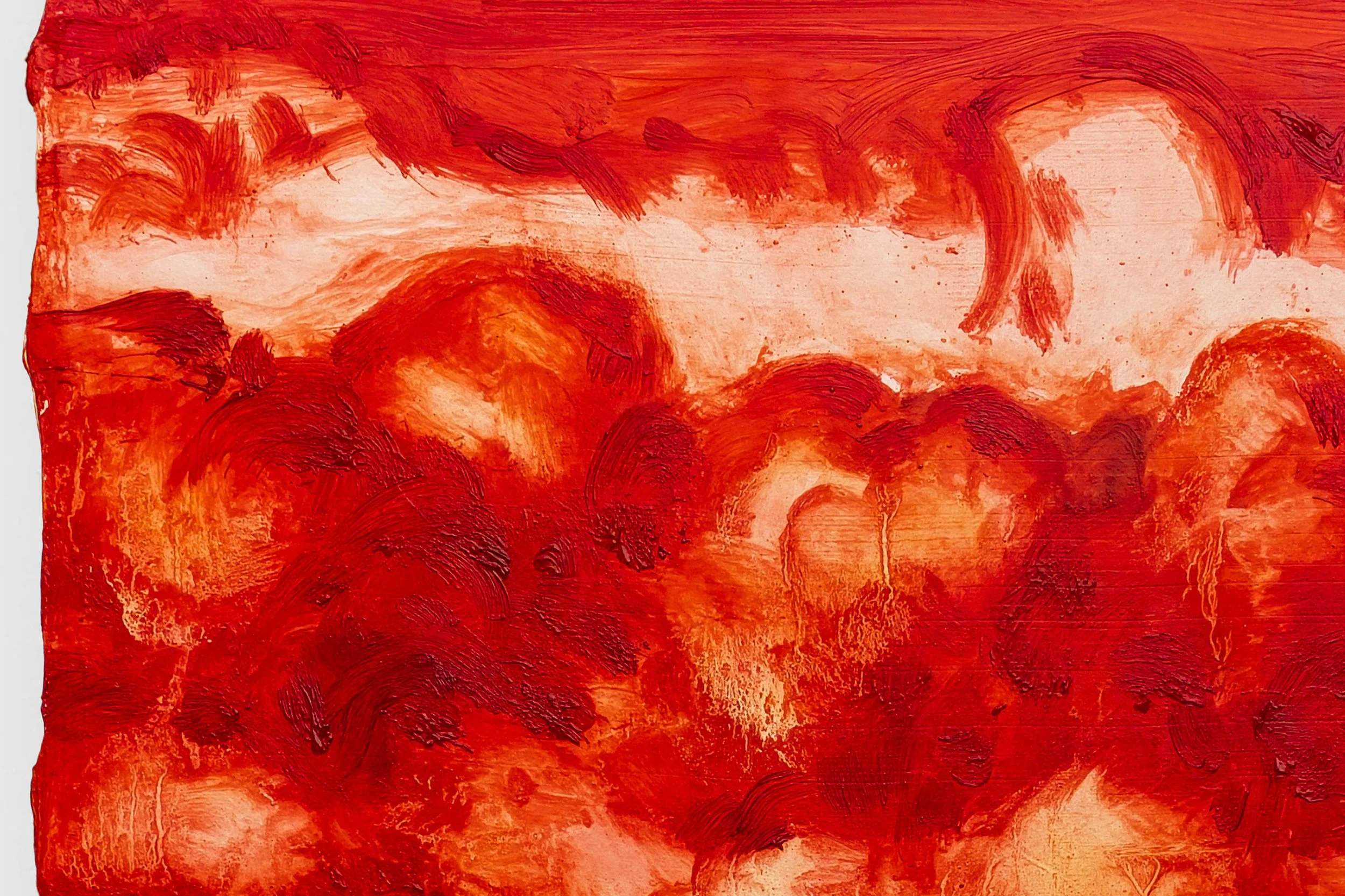
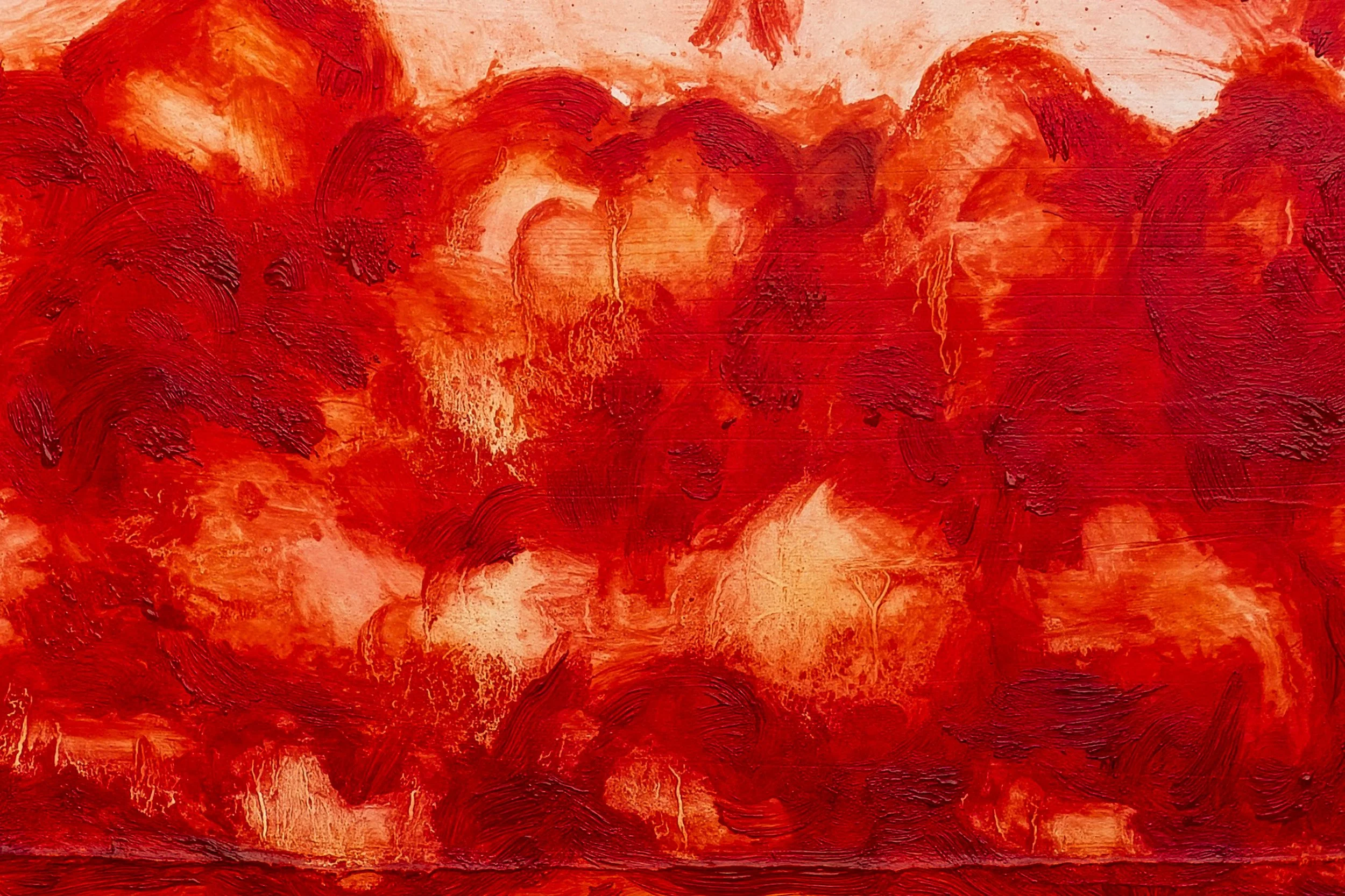
Stéphane Ducret
Untitled (from the Who’s Afraid of Light series)
2025
Oil on wood board
31,3 x 25,5 x 3,4 cm | 12 ⅓ x 10 x 1 ⅓ inches
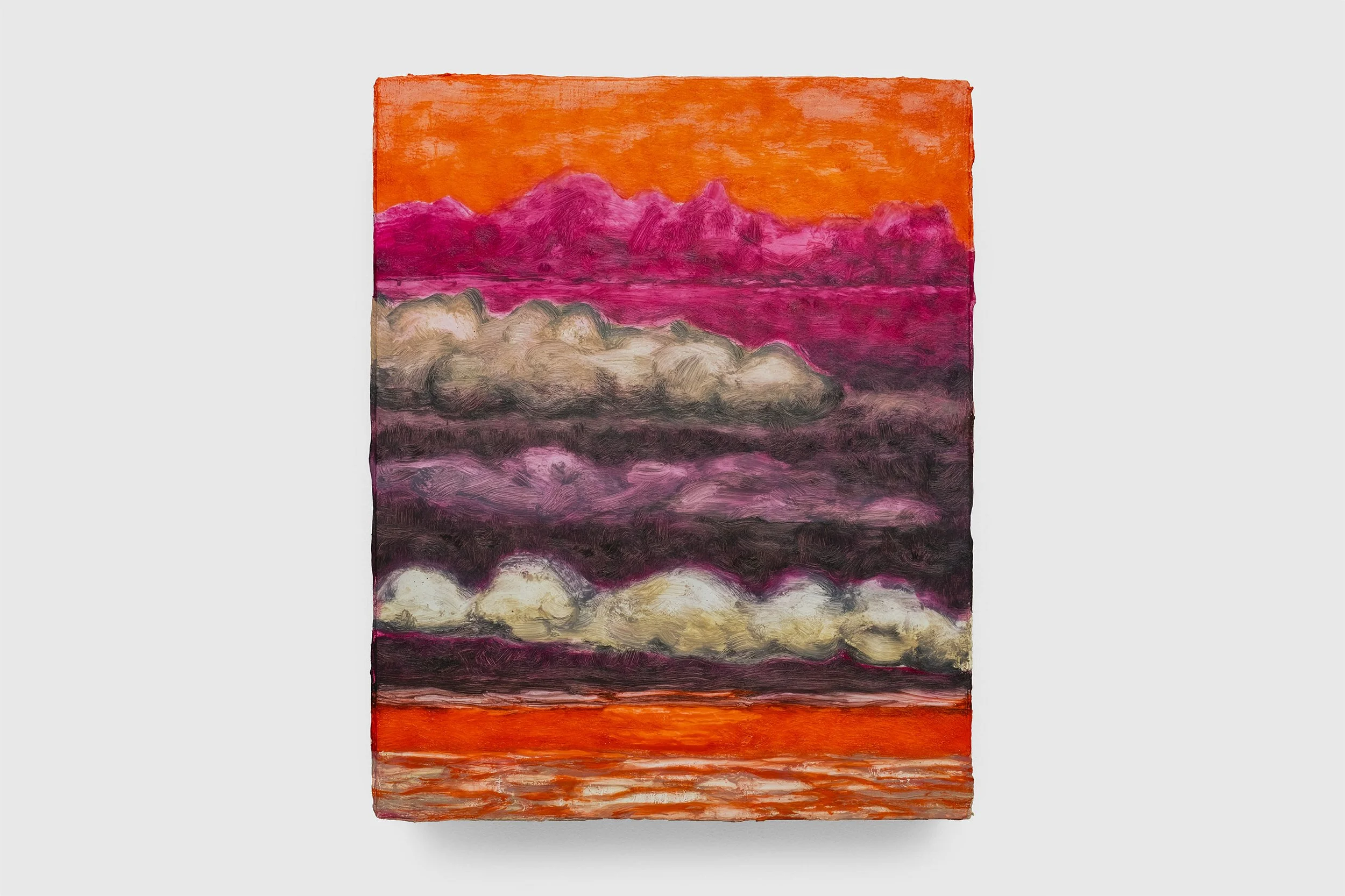
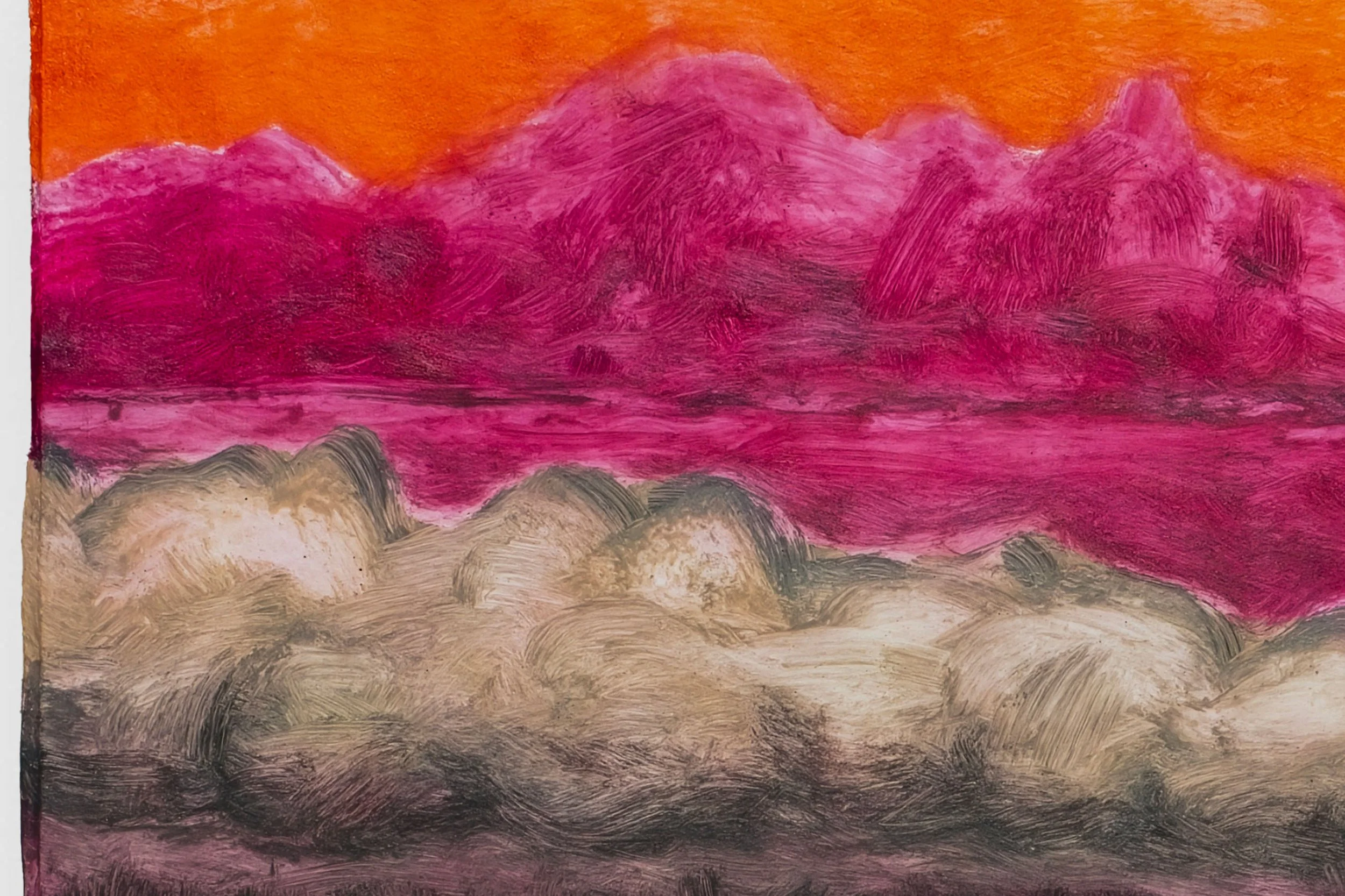
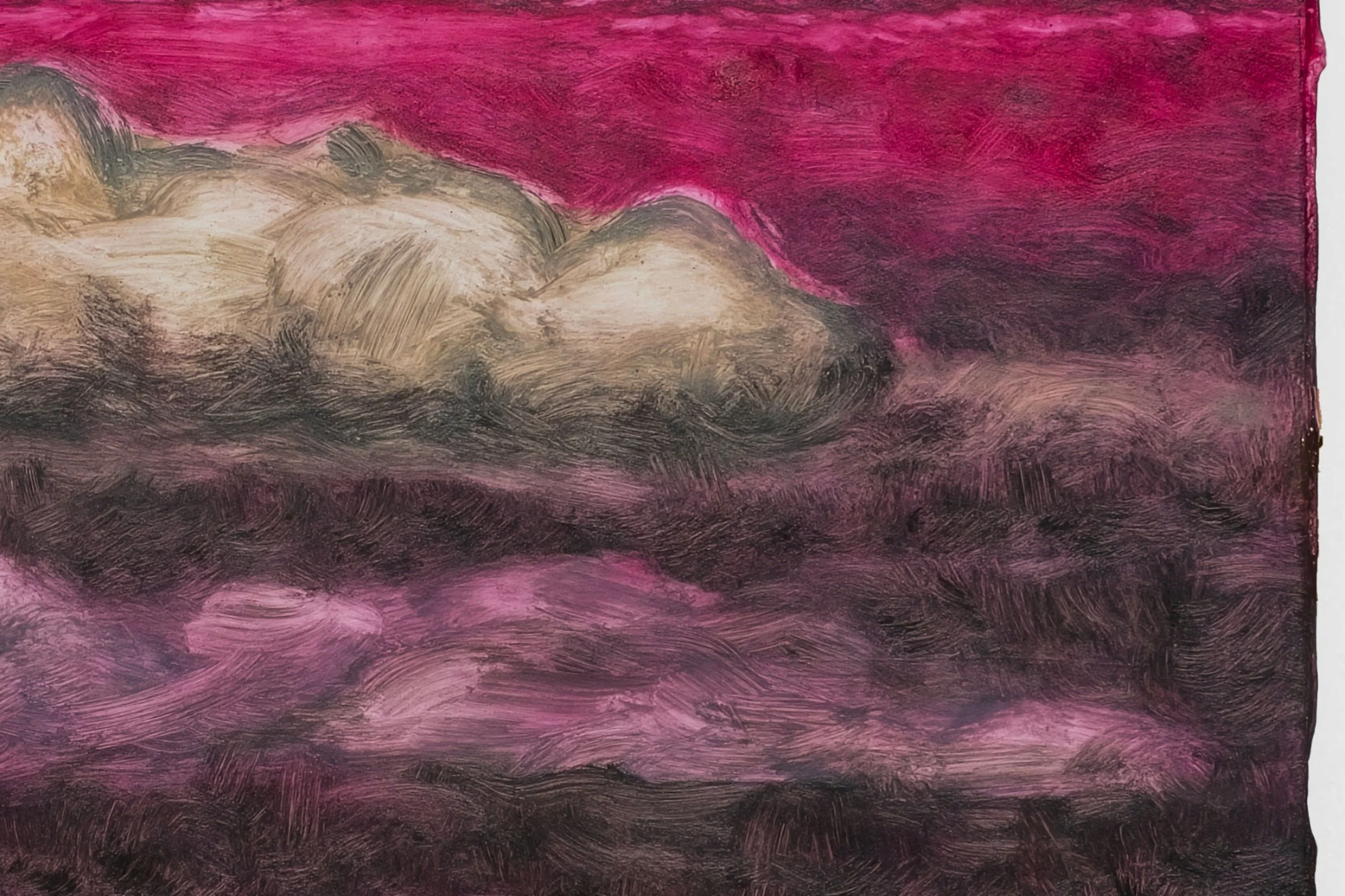
Stéphane Ducret
Untitled (from the Who’s Afraid of Light series)
2026
Oil on wood board
30,5 x 24,7 x 3,3 cm | 12 x 9 ¾ x 1 ⅓ inches